Exploring the Benefits of API Weldneck Flanges for High-Pressure Applications
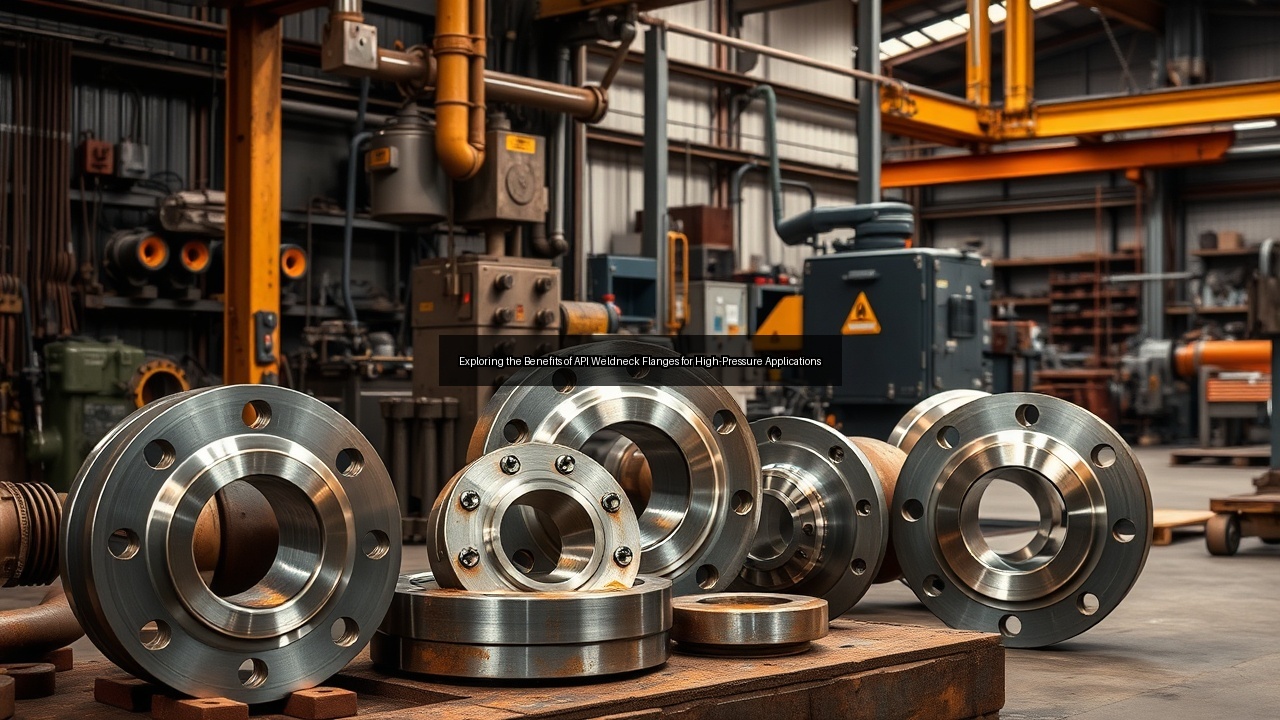
Introduction to API Weldneck Flanges
API weldneck flanges stand out as essential components in industrial piping systems, designed specifically for demanding environments where reliability matters most. Engineers and fabricators rely on these flanges to create secure, long-lasting connections between pipes and fittings. Unlike standard flanges, API weldneck flanges feature a long tapered neck that integrates seamlessly with the pipe, providing superior strength and reducing stress concentrations. This design makes them ideal for high-pressure applications across industries like oil and gas, water management, and manufacturing.
Overview of API Standards
API standards, set by the American Petroleum Institute, ensure that components like weldneck flanges meet rigorous quality and safety benchmarks. These guidelines cover everything from material composition to dimensional tolerances, promoting standardization in the oil, gas, and petrochemical sectors. For instance, API flanges, including the weld neck variety, adhere to specifications like API 6A for wellhead equipment or API 5L for line pipes, guaranteeing compatibility and performance under extreme conditions. Manufacturers produce API weldneck flanges with precise machining to match these standards, which minimizes leaks and failures in pipe fittings. The emphasis on standardization also simplifies procurement and installation, as engineers can trust that every flange meets uniform criteria. Beyond basic dimensions, API standards address pressure ratings—often up to 10,000 psi—and corrosion resistance, making these flanges a go-to for high-stakes projects. In practice, selecting API-compliant weldneck flanges reduces downtime and compliance risks, as they integrate flawlessly with other standardized pipe fittings and valves. This overview highlights why API weldneck flanges dominate in applications requiring uncompromised integrity, from offshore platforms to refineries.
Importance in High-Pressure Applications
High-pressure applications demand components that withstand intense forces without compromising safety or efficiency, and API weldneck flanges excel here. These flanges connect pipes securely in systems handling pressures from hydraulic lines to steam transport, preventing catastrophic failures that could lead to environmental hazards or operational halts. Their tapered hub design distributes stress evenly, far better than slip-on or socket weld alternatives, ensuring the flange and pipe act as one unit. In oil and gas pipelines, for example, API weldneck flanges manage the relentless push of pressurized fluids, maintaining seals even under thermal expansion. This importance extends to chemical processing plants, where sudden pressure spikes from reactions require robust pipe fittings. Engineers prioritize these flanges for their ability to handle cyclic loading without deformation, a critical factor in applications like compressor stations. Moreover, in high-pressure wastewater systems, they resist the corrosive effects of slurries while sealing against leaks. The integration of API standards ensures these flanges support overbore configurations for smooth flow, enhancing overall system performance. Ultimately, choosing API weldneck flanges in high-pressure scenarios safeguards investments and personnel, proving their indispensable role in modern infrastructure.
Advantages of API Weldneck Flanges
API weldneck flanges offer a suite of advantages that make them superior choices for critical piping setups. Their robust construction and versatile design address common challenges in industrial environments, from vibration to corrosion. By welding directly to the pipe, these flanges create a monolithic joint that outperforms threaded or bolted connections in durability and leak prevention.
Enhanced Strength and Durability
Engineers value API weldneck flanges for their unmatched strength and durability, which stem from the seamless weld between the flange neck and pipe. This integration eliminates weak points, allowing the assembly to endure heavy loads and impacts, such as those from a hammer during installation or operational vibrations. Made from high-grade materials, these flanges resist fatigue over years of service, outlasting competitors in demanding settings like exhaust systems or expansion joints. The long neck provides reinforcement, distributing forces along a greater surface area and preventing cracks at the joint. In high-pressure pipe fittings, this durability translates to fewer replacements and lower maintenance costs. API standards enforce rigorous testing, including hydrostatic pressure checks, ensuring each flange withstands real-world stresses. For instance, in manifold assemblies, weldneck flanges handle the torque from valve operations without deforming. Their solid build also supports customization for specific pressure ratings, making them ideal for spools in wellhead setups. Overall, the enhanced strength of API weldneck flanges ensures reliable performance, reducing risks in industries where downtime proves costly.
Resistance to Pressure and Temperature Variations
API weldneck flanges demonstrate exceptional resistance to pressure and temperature variations, making them vital for fluctuating industrial conditions. The tapered neck design absorbs thermal expansion and contraction, preventing warping that could compromise seals in hot oil lines or steam pipes. Under extreme pressures, these flanges maintain integrity, supporting ratings up to 20,000 psi in API 6A configurations. Temperature swings—from cryogenic cold to over 1,000°F—test pipe fittings, yet weldneck flanges excel by minimizing distortion at the weld joint. This resistance proves crucial in refineries, where processes generate rapid changes, or in geothermal systems facing scalding heat. Coatings further bolster this capability, shielding against oxidation during high-temperature exposure. Engineers often pair these flanges with compatible gaskets to seal against pressure differentials, ensuring no leaks occur even in overbore setups. In wastewater treatment, they resist the corrosive effects of heated effluents without degrading. The API certification guarantees consistent performance across these variables, allowing seamless integration with valves and manifolds. By prioritizing such resistance, API weldneck flanges extend equipment life and enhance safety in volatile environments.
Compatibility with Various Pipe Fittings
API weldneck flanges boast broad compatibility with various pipe fittings, simplifying assembly in complex piping networks. Their standardized dimensions align perfectly with ANSI, ASME, or API pipe schedules, enabling easy connections to elbows, tees, and reducers without custom machining. This versatility shines in modular systems, where flanges link flanged valves or expansion joints effortlessly. For example, in waterworks, weldneck flanges mate with ductile iron pipes, ensuring a smooth transition in flow paths. The weld neck design accommodates different wall thicknesses, from thin-wall exhaust tubing to heavy-duty spools, without compromising strength. Zinc plated options enhance corrosion resistance when joining dissimilar metals, like stainless steel pipes to carbon steel fittings. In manifold configurations, these flanges support bolt patterns that match industry norms, reducing installation time. Overbore features allow for internal alignment, preventing turbulence in high-flow applications. Maintenance teams appreciate this compatibility, as it facilitates quick swaps during repairs. Ultimately, the adaptability of API weldneck flanges streamlines projects, cuts costs, and ensures reliable performance across diverse pipe fitting scenarios.
Applications of API Weldneck Flanges
From underground utilities to offshore rigs, API weldneck flanges find applications in a wide array of systems requiring secure, high-pressure connections. Their proven track record in harsh conditions makes them a staple in engineering designs worldwide.
Usage in Waterworks and Wastewater Systems
In waterworks and wastewater systems, API weldneck flanges provide the robust connections needed to manage large volumes under varying pressures. These flanges secure pipes transporting potable water or treating sewage, resisting the abrasive flow of solids in wastewater lines. Municipal engineers specify weldneck flanges for their ability to seal against groundwater infiltration, ensuring hygienic delivery in waterworks distribution. The welding process creates a permanent bond, ideal for buried pipelines exposed to soil shifts or temperature changes from seasonal floods. In treatment plants, they integrate with pump discharges and filtration units, handling pressures from sludge pumps without leaks. Stainless steel variants offer corrosion resistance against chlorinated water or acidic effluents in wastewater processing. Gaskets, often spiral-wound for these flanges, enhance sealing in expansion joints prone to movement. API standards ensure these flanges meet NSF/ANSI requirements for drinking water, promoting public health. During expansions, weldneck flanges connect new spools to existing infrastructure seamlessly. Their durability reduces repair frequency in these critical systems, supporting sustainable water management and minimizing environmental impacts from spills.
Role in Wellhead Assemblies
Wellhead assemblies rely on API weldneck flanges to anchor and protect high-pressure oil and gas production. These flanges form the backbone of the Christmas tree setup, connecting casing strings and tubing to surface equipment. In upstream operations, weldneck flanges withstand the initial burst pressures during drilling, rated per API 6A for sour service environments. The long neck allows precise alignment with wellbore casings, facilitating the installation of blowout preventers and valves. Engineers use them to fabricate spools that isolate zones, managing flow from reservoirs under extreme downhole temperatures. Zinc plated flanges combat corrosion from brine or H2S, extending service life in harsh fields. During fracking, these components endure hydraulic pressures exceeding 15,000 psi, preventing failures that could halt production. Integration with manifolds distributes flow efficiently, while overbore designs optimize throughput. Routine inspections verify weld integrity, crucial for safety certifications. API weldneck flanges thus play a pivotal role in wellhead reliability, enabling safe extraction and boosting operational efficiency in the energy sector.
Integration with Valves and Manifolds
API weldneck flanges integrate seamlessly with valves and manifolds, enabling precise control in fluid handling systems. Gate or ball valves bolt directly to these flanges, creating leak-proof transitions for shutoff or regulation in pipelines. In manifold setups, multiple weldneck flanges distribute flows from a single header, ideal for processing plants or hydraulic circuits. The flange's raised face supports various gasket types, ensuring tight seals under pressure from valve actuators. Stainless steel construction suits corrosive media, like in chemical manifolds, while carbon steel handles general duties. Welding techniques join flanges to pipe spools, forming compact assemblies for space-constrained areas. Temperature resistance allows use with steam valves in power generation, accommodating thermal cycling without joint stress. Overbore configurations minimize flow restrictions when manifolds connect to expansion joints. Maintenance involves torquing bolts to API specs, preserving performance. This integration enhances system modularity, allowing quick reconfiguration during upgrades. By linking valves and manifolds effectively, API weldneck flanges optimize efficiency and safety across industrial applications.
Material and Coating Considerations
Selecting the right materials and coatings for API weldneck flanges directly impacts their longevity and suitability for specific environments. These choices balance cost, performance, and regulatory compliance in piping designs.
Choosing the Right Materials: Stainless Steel vs. Zinc Plated
Choosing between stainless steel and zinc plated materials for API weldneck flanges depends on the application's exposure to corrosion and mechanical demands. Stainless steel flanges, often grades 304 or 316, deliver superior resistance to rust and pitting, making them perfect for marine or chemical environments where pipes carry aggressive fluids. Their non-magnetic properties suit instrumentation setups, and they maintain strength at elevated temperatures without embrittlement. In contrast, zinc plated carbon steel flanges offer cost-effective protection through a sacrificial coating that corrodes first, shielding the base metal in mildly corrosive settings like waterworks. This plating enhances electrical conductivity for grounding in exhaust systems. For high-pressure welds, stainless steel provides better ductility, reducing crack risks during fabrication. Zinc plated options excel in dry or indoor applications, where aesthetics and initial affordability matter. API standards specify material certifications, ensuring traceability. Engineers weigh factors like pipe fitting compatibility—stainless for dissimilar metals to avoid galvanic corrosion—and budget constraints. In wastewater, stainless steel prevents contamination, while zinc plated suffices for temporary spools. Ultimately, the right choice enhances flange performance and system reliability.
Impact of Coatings on Flange Performance
Coatings significantly impact the performance of API weldneck flanges by extending service life and adapting to environmental challenges. Epoxy or fusion-bonded coatings protect against moisture and chemicals, preventing under-flange corrosion in buried pipes. For high-temperature applications, ceramic coatings insulate welds, reducing heat-affected zone degradation. Zinc plating, a common hot-dip process, forms a barrier that self-heals minor scratches, ideal for outdoor manifolds exposed to rain. In aggressive settings like sour gas wellheads, specialized coatings like PTFE mitigate H2S attack, maintaining pressure integrity. These treatments enhance adhesion during welding, ensuring the coating doesn't flake under thermal stress. API guidelines recommend coating thicknesses for specific pressure classes, balancing protection with flexibility for gasket seating. In expansion joints, coated flanges resist abrasion from movement, preserving seals. Performance metrics show coated flanges lasting 20-50% longer in corrosive wastewater systems. However, improper application can trap moisture, leading to hidden rust—hence, quality control proves essential. Coatings also influence compatibility with valves, as smooth surfaces aid bolt torquing. By optimizing coatings, API weldneck flanges achieve peak durability, minimizing maintenance in demanding pipe fitting networks.
Installation and Maintenance Best Practices
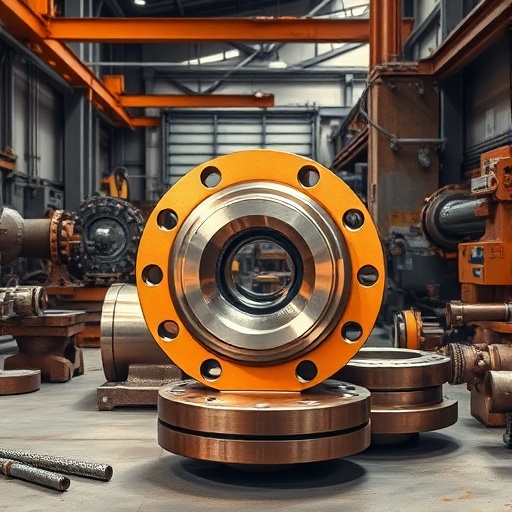
Proper installation and maintenance of API weldneck flanges ensure optimal performance and safety throughout their lifecycle. Following best practices prevents common issues like leaks or weld failures in high-pressure systems.
Welding Techniques for Optimal Performance
Welding techniques for API weldneck flanges demand precision to achieve optimal performance and structural integrity. Shielded metal arc welding (SMAW) or gas tungsten arc welding (GTAW) suits most applications, providing deep penetration into the pipe-flange joint. Preheat the materials to 150-250°F for carbon steel to avoid hydrogen cracking, especially in thick-walled pipes. Maintain interpass temperatures below 500°F to control heat input, preventing distortion in the tapered neck. API standards require full radiography of welds for critical services, verifying no defects like porosity. For stainless steel flanges, use matching filler rods to preserve corrosion resistance, and purge the pipe interior with argon to avoid oxidation. In field installations, align the flange hub concentrically with the pipe using clamps, ensuring no overbore mismatches that cause turbulence. Post-weld heat treatment relieves stresses in high-pressure setups, enhancing fatigue resistance. Skilled welders follow WPS (welding procedure specifications) tailored to flange size and material. These techniques minimize residual stresses, allowing flanges to handle temperature swings and pressures without failure. Proper welding thus forms the foundation for reliable pipe fittings in valves and manifolds.
The Importance of Flange Gaskets and Sealing
Flange gaskets play a crucial role in sealing API weldneck flanges, preventing leaks that could compromise high-pressure systems. Spiral-wound gaskets, with graphite or PTFE fillers, conform to raised faces, accommodating minor imperfections from welding or thermal expansion. In waterworks, non-asbestos ring gaskets ensure contaminant-free seals, while full-face types suit flat configurations in wastewater pipes. Proper compression—torqued to 40-60 ft-lbs per bolt—creates a barrier against pressure differentials up to 5,000 psi. Gaskets must match material compatibility; for stainless steel flanges, elastomeric options resist chemicals without degrading. In wellhead assemblies, metal-reinforced gaskets handle extreme temperatures, maintaining integrity during hammer unions or valve operations. Sealing failures often stem from over-tightening, which extrudes gaskets—hence, use calibrated tools. API 6A specifies RTJ (ring-type joint) gaskets for high-pressure flanges, providing metal-to-metal seals in manifolds. Regular inspection for gasket degradation extends life, especially in corrosive environments. By prioritizing quality flange gaskets, systems achieve zero-leak performance, safeguarding against environmental releases and ensuring operational continuity.
Routine Maintenance for Longevity
Routine maintenance for API weldneck flanges promotes longevity and detects issues before they escalate in high-pressure applications. Inspect welds quarterly using dye penetrant or ultrasonic testing to spot cracks from vibration or corrosion. Clean flanges with non-abrasive media to remove coatings damage, then reapply protective layers as needed. Torque checks on bolts prevent gasket creep, particularly after temperature cycles in exhaust or steam lines. For zinc plated flanges, monitor for white rust in humid conditions and touch up promptly. In waterworks, flush lines to clear debris that could abrade seals. API recommends NDT (non-destructive testing) for critical joints, ensuring pressure ratings remain intact. Lubricate threads during reassembly to avoid galling on stainless steel. Track maintenance logs for predictive analytics, scheduling overhauls based on usage. In wellheads, cathodic protection systems extend flange life against soil electrolytes. Addressing minor wear, like pitting on overbore edges, averts major failures. These practices not only comply with standards but also optimize costs, keeping pipe fittings and valves operational for decades in demanding setups.
See Also
- Key Considerations for Selecting Flange Gaskets with Weld Neck Designs
- Understanding the Role of Weldneck Flanges in Modern Waterworks Systems
- The Ultimate Guide to Choosing the Right Weld Neck Flange for Your Project
- How API Weldneck Flanges Enhance the Integrity of Pipe Fittings
- The Evolution of Flanged Connections in Industrial Applications