How Anti Vibration Rubber Mounts Enhance Machinery Efficiency and Longevity
Understanding Vibration and Its Impact on Machinery
The Science of Vibration
Vibration stems from mechanical oscillations that occur when forces disrupt a system's equilibrium. In machinery, these oscillations arise from rotating parts, impacts, or unbalanced loads, creating waves of energy that propagate through structures. Engineers measure vibration by frequency, amplitude, and phase, where frequency indicates cycles per second and amplitude shows displacement magnitude. High-frequency vibrations often result from electrical components like generators, while low-frequency ones come from engines or compressors. Understanding this science proves crucial for vibration control, as unchecked oscillations lead to fatigue in materials. Vibration isolation techniques, such as using anti vibration rubber mounts, absorb these energies before they cause damage. Rubber acts as a natural dampener, converting kinetic energy into heat through hysteresis. This process reduces resonance, where machinery vibrates at its natural frequency, amplifying issues. In industrial settings, precise vibration analysis tools detect these patterns early, allowing proactive measures. By grasping vibration's physics, operators prevent costly downtime and extend equipment life.
Types of Vibration in Industrial Settings
Industrial environments host various vibration types, each demanding specific countermeasures. Harmonic vibrations emerge from periodic forces in motors and pumps, syncing with rotational speeds. Random vibrations, erratic and broadband, plague construction sites with heavy machinery like excavators. Torsional vibrations twist shafts in engines, risking fractures without proper vibration damping mounts. Transverse vibrations shake perpendicular to motion, common in conveyor systems during manufacturing. Forced vibrations, driven by external sources such as nearby traffic, affect sensitive setups like transformers. In contrast, free vibrations decay naturally after initial disturbance. Frequency plays a key role; low-frequency vibrations below 10 Hz challenge vibration isolators in marine applications, while high ones above 100 Hz suit stiff anti vibration pads. Identifying these types guides selection of rubber vibration mounts or vibration rubber mounts tailored to the source. For instance, generators produce steady-state vibrations needing robust isolation, whereas compressors generate pulsatile ones requiring flexible dampers. Mastering these distinctions optimizes vibration reduction strategies across sectors.
Effects of Vibration on Machinery Longevity
Vibration erodes machinery longevity through cumulative stress on components. Repeated oscillations loosen bolts, crack welds, and wear bearings, accelerating failure in engines and pumps. Over time, this fatigue shortens operational life by 20-50% in unmitigated systems, leading to frequent repairs and replacements. In manufacturing, unchecked vibrations misalign tools, reducing precision and output quality. Noise accompanies these effects, signaling internal damage like imbalanced rotors in generators. Structural resonance amplifies vibrations, causing catastrophic breakdowns in HVAC systems or transformers. Economically, downtime from vibration-induced faults costs industries millions annually. Material degradation occurs as vibrations propagate, fatiguing metals and elastomers alike. Without vibration isolation, seals fail prematurely, inviting contaminants that exacerbate wear. Studies show that effective vibration control via anti vibration rubber mounts can double equipment lifespan by minimizing these stresses. Operators notice smoother performance and lower maintenance needs. Addressing vibration early preserves capital investments and boosts reliability in demanding fields like construction and marine operations.
The Role of Anti Vibration Rubber Mounts
What Are Anti Vibration Rubber Mounts?
Anti vibration rubber mounts serve as essential components that decouple machinery from its base, preventing vibration transmission. These devices, often called vibration isolators or rubber mounts, feature a rubber core bonded to metal plates for secure attachment. They absorb shocks and oscillations from sources like engines, compressors, and generators, ensuring stable operation. Available as pads, bumpers, or full assemblies, anti vibration rubber mounts come in various shapes to fit specific needs, from small vibration rubber mounts for electronics to large ones for industrial machines. Their primary function involves isolating vibrations, reducing noise, and protecting surrounding structures. In vibration control, these mounts act as barriers, allowing equipment to move slightly without affecting the foundation. Manufacturers design them with load-bearing capacities up to thousands of pounds, suitable for heavy-duty applications. Unlike rigid fasteners, rubber vibration mounts flex under dynamic loads, dissipating energy. This versatility makes them indispensable in settings requiring precision, such as manufacturing lines or HVAC systems. Choosing the right anti vibration mount enhances overall system integrity.
Materials Used in Anti Vibration Mounts: Natural Rubber vs. Neoprene
Natural rubber and neoprene dominate materials in anti vibration mounts, each offering unique properties for vibration isolation. Natural rubber excels in elasticity, providing superior damping for low-frequency vibrations in engines and generators. Derived from latex, it withstands moderate temperatures up to 70°C and handles oil exposure minimally, making it ideal for indoor machinery. However, it degrades under UV light and ozone, limiting outdoor use. Neoprene rubber, a synthetic chloroprene compound, resists oils, chemicals, and weathering better, thriving in marine and construction environments. It maintains performance from -40°C to 120°C, suiting harsh conditions like compressors or transformers. While natural rubber absorbs shocks with lower stiffness, neoprene offers higher resilience against abrasion. In vibration damping mounts, natural rubber reduces transmitted forces by 90% at resonant frequencies, whereas neoprene prioritizes durability in corrosive settings. Selection depends on application; natural rubber suits cost-sensitive, clean operations, while neoprene handles demanding exposures. Both materials bond seamlessly to stainless steel or other metals, ensuring longevity in anti vibration rubber mounts.
How Anti Vibration Rubber Mounts Function
Anti vibration rubber mounts function by leveraging the viscoelastic properties of rubber to isolate and dampen vibrations. When machinery generates oscillations, the rubber deforms, converting vibrational energy into heat through internal friction. This vibration reduction prevents energy transfer to the base, achieving up to 95% isolation efficiency at optimal frequencies. Mounts with embedded metal parts distribute loads evenly, maintaining stability under dynamic forces. In operation, they allow controlled movement—vertical, horizontal, or torsional—without compromising alignment. For high-frequency noise control, softer rubber variants excel, while stiffer ones handle heavy loads in generators. The damping coefficient, influenced by rubber thickness and durometer, tunes performance; higher damping curbs resonance peaks. Unlike metal shock absorbers, these mounts provide progressive resistance, adapting to varying amplitudes. In pipe hangers or bumpers, they secure lines against vibrations from nearby pumps. Engineers calculate natural frequency of the mount-mass system to ensure it falls below operating frequencies, maximizing isolation. This mechanism not only safeguards machinery but also enhances workplace safety by minimizing structural vibrations.
Benefits of Using Anti Vibration Rubber Mounts
Enhancing Machinery Efficiency
Anti vibration rubber mounts boost machinery efficiency by minimizing energy losses from oscillations. Vibrations waste power as heat and friction, reducing output in motors and compressors by up to 15%. These mounts stabilize equipment, ensuring precise operations in manufacturing processes. With vibration isolation, machines run smoother, cutting fuel consumption in engines and generators. Operators report faster cycle times and higher throughput, as alignments stay intact without constant recalibration. In HVAC systems, reduced vibrations prevent airflow disruptions, improving cooling efficiency. Economically, lower energy use translates to substantial savings; a single installation can pay back in months through decreased operational costs. Enhanced precision also yields better product quality, vital in construction tool assembly. By damping unwanted motions, anti vibration mounts allow machinery to perform at peak capacity, extending productive hours. Maintenance intervals lengthen, freeing resources for growth rather than repairs. Industries adopting vibration rubber mounts see measurable gains in overall system performance and reliability.
Noise Control and Reduction
Anti vibration rubber mounts excel in noise control by interrupting vibration paths that generate sound waves. Machinery noise, often exceeding 85 dB, stems from resonant frequencies in engines and pumps, leading to hearing risks and regulatory fines. These mounts absorb vibrations before they radiate as airborne noise, achieving reductions of 10-20 dB in industrial settings. Rubber's inherent damping converts mechanical energy into minimal heat, silencing hums from generators or compressors. In marine applications, they quiet engine rooms, improving crew comfort and compliance with noise standards. Unlike rigid mounts, vibration damping mounts flex to disrupt sound transmission through structures. For HVAC systems, they eliminate rattling ducts, creating quieter environments in buildings. Workers benefit from reduced fatigue, boosting productivity. Installation under transformers or pipe hangers curbs low-frequency rumbles effectively. Custom anti vibration pads tailor noise suppression to specific frequencies, ensuring comprehensive control. Overall, these solutions foster safer, more harmonious workspaces without sacrificing performance.
Increasing Equipment Lifespan
Anti vibration rubber mounts extend equipment lifespan by shielding components from oscillatory wear. Without isolation, vibrations accelerate bearing failures and structural cracks, halving machine life in severe cases. These mounts redistribute stresses, preserving integrity in high-use assets like generators and engines. Studies indicate lifespan increases of 30-50% with proper vibration isolators, as they prevent fatigue in welds and fasteners. In manufacturing, reduced downtime from breakdowns allows continuous operation, maximizing ROI. Rubber's resilience withstands millions of cycles, outlasting cheaper alternatives. For compressors, they minimize piston slap and valve chatter, key degradation factors. Environmental benefits arise too, as longer life cuts replacement waste. Maintenance costs drop significantly, with inspections revealing fewer issues in isolated systems. In construction equipment, vibration rubber mounts protect against ground-transmitted shocks, ensuring durability on rugged sites. By focusing on prevention, these mounts transform machinery from fragile tools into robust workhorses, supporting long-term operational success.
Applications of Anti Vibration Rubber Mounts
Industrial Machinery and Manufacturing
In industrial machinery and manufacturing, anti vibration rubber mounts secure production lines against disruptive oscillations. Assembly robots and CNC machines demand precision; mounts isolate vibrations from spindles, maintaining tolerances under 0.01 mm. In stamping presses, they absorb impact shocks, preventing frame distortions that compromise part quality. Generators powering factories benefit from rubber vibration mounts, reducing floor-transmitted noise and wear on concrete foundations. Conveyor systems run quieter and smoother, minimizing belt slippage from unbalanced motors. These mounts integrate into vibration isolation mounts for heavy presses, supporting loads over 10 tons while damping frequencies from 5-500 Hz. In automotive manufacturing, engine test stands use neoprene variants for oil resistance during simulations. Pipe hangers with anti vibration rubber prevent plumbing vibrations from disrupting nearby operations. Overall, they enhance workflow efficiency, cut defect rates, and comply with ISO vibration standards, driving competitive edges in fast-paced environments.
Marine Applications
Marine applications rely on anti vibration rubber mounts to combat relentless vibrations from propellers and waves. Ship engines generate intense low-frequency torsions; mounts with natural rubber or neoprene isolate these, protecting hull integrity and reducing crew fatigue. In generators aboard vessels, stainless steel-reinforced rubber mounts resist corrosion from saltwater, ensuring reliable power amid rough seas. Vibration isolators under compressors maintain cabin comfort by curbing noise propagation through decks. Naval architects specify these for diesel engines, where they dampen resonances that could fracture mounts or exhaust systems. Boat builders install bumper-style anti vibration pads on auxiliary machinery, absorbing shocks during docking. For offshore platforms, heavy-duty vibration rubber mounts support drilling rigs, isolating vibrations from pumps to prevent structural fatigue. Neoprene rubber shines in humid conditions, offering UV and ozone resistance for deck-mounted equipment. These solutions enhance safety, extend vessel lifespan, and meet stringent maritime regulations for vibration control.
HVAC Systems and Compressors
HVAC systems and compressors thrive with anti vibration rubber mounts that ensure quiet, efficient operation. In air handlers, mounts decouple fans from ducts, eliminating rattles that amplify noise in commercial buildings. Compressors, prone to high-amplitude vibrations, use elastomeric vibration mounts to prevent baseplate cracks and pipe stress. These devices support rooftop units, isolating low-frequency hums from 20-60 Hz while handling rooftop winds. In chillers, rubber vibration mounts reduce energy transmission to structures, lowering operational decibels below 50 dB. Installation under condensers curbs ground vibrations in residential setups. For large industrial compressors, custom anti vibration rubber mounts with adjustable height accommodate thermal expansions. They also serve as shock absorbers for startup surges, protecting valves and motors. Building managers appreciate the extended service life, with fewer callbacks for noise complaints. Integration into pipe hangers stabilizes refrigerant lines, preventing leaks from vibrational wear. Ultimately, these mounts optimize HVAC performance and comfort in diverse installations.
Choosing the Right Anti Vibration Rubber Mount
Factors to Consider: Stiffness and Diameter
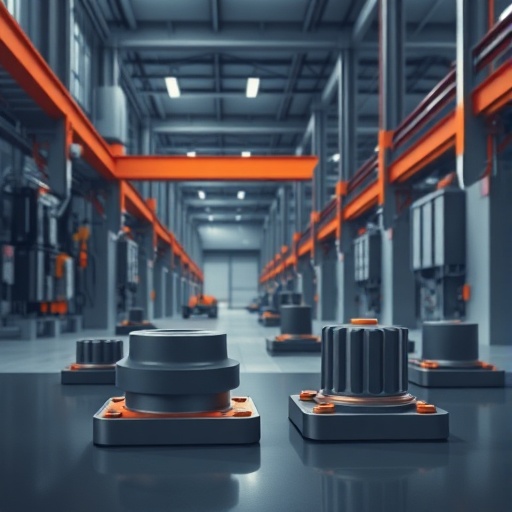
Selecting anti vibration rubber mounts requires evaluating stiffness and diameter to match application demands. Stiffness, measured in durometers from 30-80 Shore A, determines load deflection; softer mounts suit low-stiffness needs for vibration isolation in sensitive electronics, while stiffer ones handle heavy machinery like generators. Diameter influences footprint and stability; larger diameters distribute weight evenly, ideal for compressors exceeding 500 kg. Frequency of operation guides choices—low-frequency vibrations below 10 Hz need low-stiffness rubber for effective damping. Height adjustments allow fine-tuning natural frequency, ensuring isolation ratios above 80%. Load capacity, often 10-5000 lbs per mount, must align with machine weight to avoid bottoming out. Environmental factors, like exposure to oils, favor neoprene over natural rubber. Diameter also affects installation space; compact vibration rubber mounts fit tight enclosures in HVAC systems. Engineers use formulas tying stiffness to deflection: F = kx, where k is stiffness and x deflection. Balancing these ensures optimal vibration reduction without over-compression, maximizing longevity and performance.
Types of Mounts: Elastomeric vs. Metal
Elastomeric and metal mounts offer distinct approaches to vibration control, with anti vibration rubber mounts falling under the former. Elastomeric types, featuring rubber or neoprene cores, provide superior damping for broad frequency ranges, excelling in noise control for engines and HVAC systems. They flex under loads, absorbing shocks without transmitting them, ideal for dynamic applications like marine generators. Metal mounts, often stainless steel springs or plates, prioritize high load capacity and longevity in static setups, but they falter at low frequencies due to poor damping—transmitting vibrations above resonance. Hybrid designs combine elastomeric damping with metal stiffness for balanced performance in transformers. Elastomeric vibration isolators shine in corrosive environments when coated, while pure metal suits extreme temperatures beyond rubber limits. Cost-wise, rubber mounts undercut metal by 30-50%, with easier retrofits. For construction equipment, elastomeric bumper mounts handle impacts better than rigid metal. Choose based on needs: elastomeric for versatile isolation, metal for precision rigidity in low-vibration scenarios.
Installation Tips for Optimal Vibration Isolation
Proper installation of anti vibration rubber mounts unlocks peak vibration isolation performance. Begin by leveling the machinery base to within 1/8 inch, ensuring even load distribution across mounts. Position rubber mounts at natural support points—typically four corners for rectangular machines like compressors—using torque specs from 20-50 ft-lbs to secure bolts without crushing rubber. Incorporate washers to prevent metal embedment, and allow 10-20% clearance for deflection under full load. For generators, align shafts before tightening to avoid induced vibrations. In HVAC setups, isolate electrical grounds to prevent noise loops. Test post-installation with vibration meters, aiming for natural frequencies 1.4 times below operating ones. Use shims for height adjustments in uneven floors, common in marine or construction sites. Avoid over-tightening, which stiffens the system; instead, follow manufacturer deflection charts. Regular inspections check for rubber cracking or metal corrosion, especially in dampers or pipe hangers. These steps minimize installation errors, achieving 90%+ isolation and safeguarding machinery efficiency.