Innovative Applications of Thermoset Injection Molding in Automotive Manufacturing
Understanding Thermosets in Automotive Manufacturing
Introduction to Thermosets and Their Properties
Thermosets are a class of polymers characterized by their ability to undergo a curing process that irreversibly hardens the material. Unlike thermoplastics, which can be melted and reshaped multiple times, thermosets maintain their shape and structural integrity after the initial heating and curing. This unique property makes thermosets particularly suitable for automotive manufacturing, where strength, durability, and resistance to heat and chemicals are paramount. Common thermoset materials include epoxy, phenolic, and polyurethane, each offering distinct advantages in various automotive applications.
Comparing Thermosets and Thermoplastics in Automotive Applications
When evaluating injection molding materials for automotive components, thermosets and thermoplastics present contrasting characteristics. Thermoplastics, such as acrylonitrile butadiene styrene (ABS) and polypropylene, offer flexibility and recyclability, appealing for applications requiring easy reshaping. However, thermosets stand out in situations demanding superior thermal stability and mechanical strength. For instance, components like engine covers and electrical housings benefit from thermoset materials due to their resistance to deformation under high temperatures. This comparison highlights the necessity of selecting the right material based on the specific requirements of the automotive application.
Key Advantages of Thermoset Materials in Injection Molding
Thermoset materials deliver several key advantages when used in injection molding processes. First, they exhibit excellent dimensional stability, crucial for maintaining the precise tolerances needed in automotive components. Second, thermosets have superior chemical resistance, making them ideal for parts exposed to oils, fuels, and other harsh substances. Third, the curing process during injection molding enhances their mechanical properties, resulting in stronger and more durable products. These advantages position thermosets as a vital choice for manufacturers focused on creating high-performance, long-lasting automotive components.
The Injection Molding Process for Thermosets
Overview of the Injection Molding Process
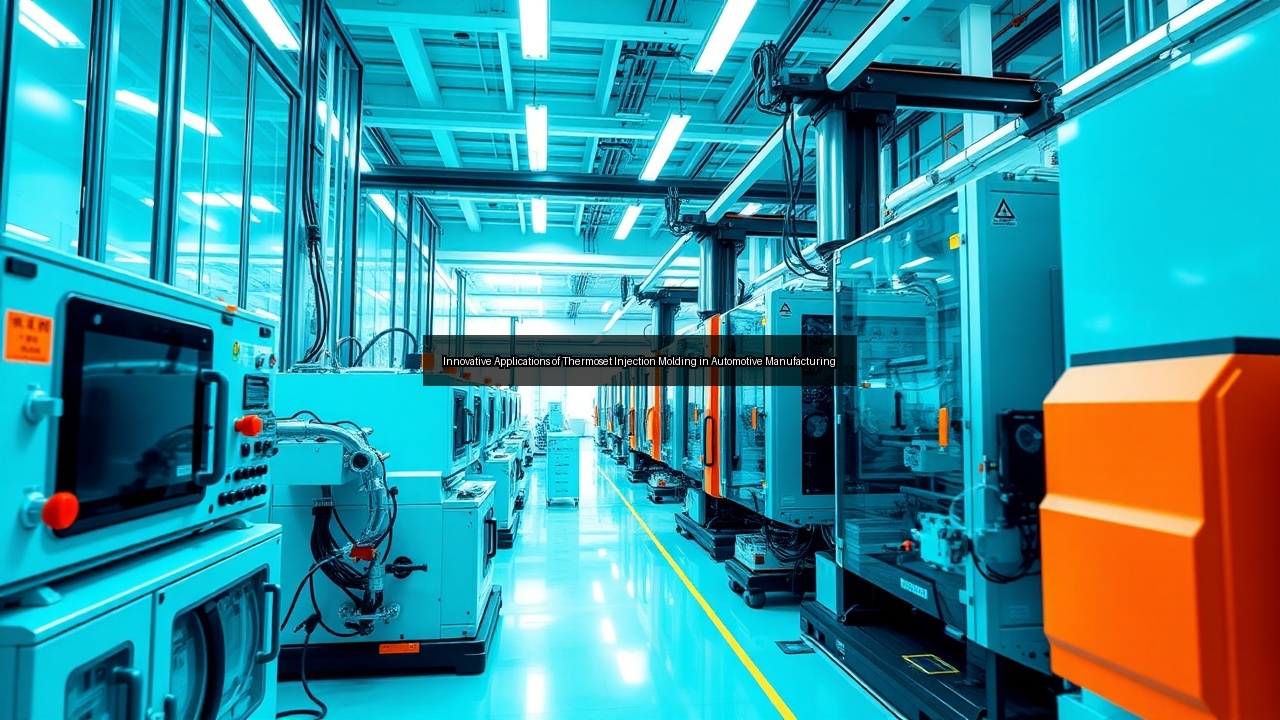
The injection molding process for thermosets involves several critical steps. Initially, the raw thermoset material is heated until it becomes a viscous liquid. This liquid is then injected into a mold cavity, where it fills the shape of the desired component. Once the mold is filled, the material undergoes a curing process, typically involving heat and pressure, which transforms it into a solid structure. This process allows for high precision and repeatability, making it suitable for mass production of automotive parts. The ability to produce complex geometries further enhances its appeal in automotive manufacturing.
Materials Used in Thermoset Injection Molding
Various thermoset materials are utilized in injection molding, each selected based on specific performance requirements. Epoxy resins, known for their excellent adhesion and chemical resistance, find applications in structural components. Phenolic resins are prized for their heat resistance and electrical insulating properties, making them ideal for automotive electrical housings. Polyurethane thermosets offer flexibility and toughness, suitable for parts requiring impact resistance. The choice of material directly influences the performance characteristics of the final product, underscoring the importance of understanding material properties in the context of automotive applications.
Technological Innovations in Thermoset Injection Molding
Recent technological advancements have significantly enhanced the capabilities of thermoset injection molding. Innovations such as improved mold design and advanced curing techniques have increased production efficiency while reducing cycle times. Additionally, the incorporation of automation in the injection molding process has streamlined operations, reducing labor costs and minimizing human error. Furthermore, developments in thermoset formulations have expanded the range of properties available, allowing manufacturers to tailor materials to specific automotive requirements. These innovations position thermoset injection molding as a forward-thinking solution within the automotive manufacturing landscape.
Applications of Thermoset Injection Molding in the Automotive Sector
Case Studies of Injection-Molded Thermoset Components
Several notable case studies illustrate the successful application of injection-molded thermoset components in the automotive sector. For instance, a leading automotive manufacturer utilized thermoset composites to produce a lightweight yet durable engine cover. The component demonstrated significant weight savings, contributing to overall fuel efficiency improvements. Another case involved the production of electrical connectors using thermoset materials, which provided superior insulation properties and resistance to temperature fluctuations. These examples underscore the versatility and effectiveness of thermoset injection molding in creating components that meet the demanding standards of modern automotive engineering.
The Role of Thermoset Plastics in Enhancing Vehicle Performance
Thermoset plastics play a pivotal role in enhancing vehicle performance across various domains. Their exceptional thermal stability allows automotive parts to operate effectively under high-temperature conditions, preventing warping or failure. Additionally, the chemical resistance provided by thermosets ensures longevity, even in environments exposed to corrosive substances like oils and fuels. This advantage enhances the reliability of critical components, such as pistons and engine housings. The integration of thermoset materials into automotive design ultimately leads to improved vehicle safety, efficiency, and overall performance, making them indispensable in contemporary automotive manufacturing.
Sustainability and Recyclability of Thermoset Materials in Automotive Manufacturing
Sustainability remains a pressing concern in automotive manufacturing, and thermoset materials present both challenges and opportunities. While traditional thermosets pose challenges in recyclability due to their irreversible curing process, innovations in recycling technologies are emerging. Some advancements focus on developing thermoset formulations that allow for easier mechanical recycling or even chemical recycling processes. Additionally, utilizing bio-based thermoset materials can enhance the sustainability profile of automotive components. As the industry shifts towards more environmentally friendly practices, the exploration of sustainable thermoset options will likely grow, ensuring their relevance in the future of automotive manufacturing.
Future Trends and Challenges in Thermoset Injection Molding
Emerging Technologies in Thermoset Processing
Emerging technologies continue to reshape the landscape of thermoset processing in the automotive sector. Innovations such as 3D printing with thermoset resins are gaining traction, allowing for rapid prototyping and customization of components. This technology enables manufacturers to create intricate designs that were previously difficult to achieve with traditional injection molding. Another significant trend involves the integration of smart materials into thermoset formulations, providing features like self-healing or enhanced thermal regulation. These advancements not only improve product performance but also expand the functional capabilities of thermoset injection-molded components.
Regulatory Considerations: ISO 13485 and Beyond
Regulatory considerations play a crucial role in automotive manufacturing, particularly for thermoset products used in safety-critical applications. ISO 13485, which outlines requirements for quality management systems, is essential for ensuring that manufacturers adhere to stringent quality standards. Compliance with such regulations not only guarantees product reliability but also fosters consumer trust. As the automotive industry evolves, staying updated with regulatory changes will be imperative for manufacturers utilizing thermoset injection molding. Ensuring that processes align with industry standards will mitigate risks and enhance the overall quality of automotive components.
Addressing Challenges in Thermoset Recycling and Environmental Impact
While thermosets offer numerous advantages, challenges remain regarding their recycling and environmental impact. The irreversible nature of thermoset curing complicates traditional recycling methods, leading to increased waste in landfills. Addressing this challenge requires innovative approaches to develop recyclable thermoset materials or effective recycling processes. Additionally, the environmental impact of the chemicals used in thermoset production must be managed. Increasing awareness and regulatory pressure necessitate a commitment from manufacturers to adopt sustainable practices that minimize the ecological footprint of thermoset injection molding. This proactive approach will ensure the continued viability of thermosets in the automotive industry.
See Also
- Navigating the Injection Molding Process with Thermoset Materials for Optimal Results
- Unlocking the Secrets of Thermoset Molding Techniques for Enhanced Durability
- From Concept to Creation The Role of Thermosets in Advanced Injection Molding
- Exploring the Benefits of Thermoset Injection Molding for High-Temperature Applications
- Thermoset vs Thermoplastic A Comprehensive Guide for Injection Molding Professionals