Revolutionizing Convenience How Stick Pack Manufacturers Are Shaping Modern Packaging
The Evolution of Stick Pack Packaging
A Brief History of Stick Packs
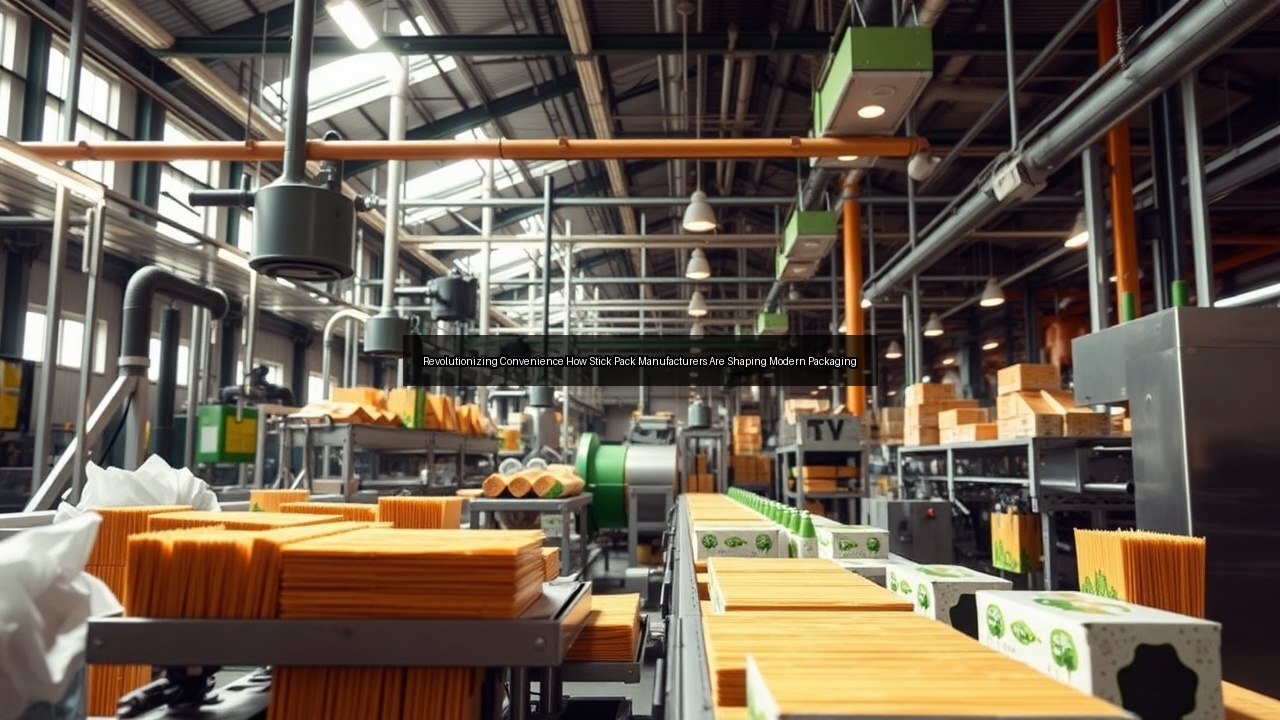
Stick packs emerged in the mid-20th century as a clever response to the growing need for portable, single-serve packaging in the packaging industry. Manufacturers first developed them for products like sugar and salt in the 1950s, drawing from early flexible packaging techniques that prioritized ease of use. These slim, sealed pouches quickly gained traction in the food and beverage sectors, where consumers sought quick access without bulk. By the 1970s, stick pack manufacturers expanded their applications to pharmaceuticals and cosmetics, refining the design to include tear notches and spouts for effortless opening. This evolution mirrored broader shifts in the packaging industries toward convenience-driven solutions. Today, stick pack production has transformed everyday items like drink mixes into on-the-go essentials, proving their enduring appeal. Early innovators focused on durability and hygiene, ensuring the packaging material withstood handling while preserving product freshness. As global trade boomed, these packs became staples in export markets, with packaging suppliers adapting designs for international standards. The history underscores how stick packs revolutionized portion control, influencing modern manufacturing practices across diverse sectors.
The Rise of Flexible Packaging
Flexible packaging surged in popularity during the late 20th century, overtaking rigid alternatives due to its adaptability and efficiency in the supply chain. Stick packs epitomize this trend, offering lightweight options that reduce shipping costs and environmental impact compared to glass or metal containers. Packaging manufacturers championed flexible materials like laminates and foils, which allow for vibrant printing and barrier properties against moisture and oxygen. In the 1980s and 1990s, advancements in extrusion and lamination processes propelled stick pack solutions into mainstream use, particularly for powdered goods and supplements. Brands in the health and wellness space adopted them to extend shelf life without compromising quality. The packaging industry witnessed a paradigm shift as consumers favored portable formats, driving demand for innovative stick pack production lines. Flexible packaging now dominates retail shelves, with stick pack manufacturers leading the charge by customizing shapes and sizes to fit specific product needs, such as energy drink mixes or condiments. This rise not only streamlined inventory management but also enhanced branding opportunities through eye-catching designs that stand out in crowded markets.
Key Innovations in Stick Pack Manufacturing
Stick pack manufacturers continually push boundaries with cutting-edge technologies that enhance precision and versatility in production. High-speed filling machines now achieve accuracies up to 99.9%, minimizing waste and ensuring consistent dosing for products like vitamins and drink mixes. Laser sealing and ultrasonic welding have replaced traditional heat sealing, offering faster cycles and stronger bonds that maintain integrity during transport. In recent years, automation and AI integration allow for real-time monitoring, reducing downtime and adapting to variable batch sizes in the packaging industries. Eco-innovations include biodegradable films and nitrogen flushing to preserve freshness without synthetic preservatives. Leading packaging suppliers incorporate modular machinery that scales from small runs to mass production, catering to startups and established brands alike. These advancements lower operational costs while meeting stringent compliance standards for food safety. For instance, vertical form-fill-seal systems dominate stick pack production, enabling seamless integration of printing and perforation for user-friendly features. Such innovations not only boost efficiency in the supply chain but also empower manufacturers to deliver tailored stick pack solutions that align with evolving customer preferences for quality and convenience.
Benefits of Stick Packs in the Packaging Industry
Convenience for Consumers
Consumers love stick packs for their portability and simplicity, making them ideal for busy lifestyles in today's fast-paced world. These slim pouches fit easily into pockets, purses, or gym bags, perfect for single servings of drink mixes, medications, or snacks. Opening requires minimal effort—often just a quick tear—eliminating the hassle of bulky containers that spill or require tools. In the packaging industry, this design directly addresses customer demands for on-the-go access, boosting satisfaction and repeat purchases. Brands leverage stick packs to enhance user experience, such as adding resealable options for multi-use scenarios. Packaging manufacturers ensure the material withstands daily wear, from heat to pressure, without compromising the product's integrity. Surveys show that 70% of users prefer stick packs for travel, highlighting their role in revolutionizing daily routines. For parents packing lunches or athletes fueling workouts, these packs deliver accuracy in portions, reducing waste and promoting healthier habits. Ultimately, stick pack solutions from innovative manufacturers transform mundane packaging into a seamless part of modern convenience, fostering loyalty among discerning consumers who value practicality above all.
Impact on Brand Identity
Stick packs offer brands a canvas for bold branding that captures attention in competitive retail environments. Vibrant colors, custom logos, and concise messaging printed directly on the flexible packaging material create instant recognition, strengthening brand identity without additional labeling costs. In the packaging industries, manufacturers collaborate with companies to design packs that reflect core values, such as premium quality for luxury supplements or eco-friendliness for organic drink mixes. This visual storytelling differentiates products on shelves, where slim profiles stand out against cluttered displays. Leading packaging suppliers use high-resolution digital printing to achieve photorealistic graphics, enhancing perceived value and emotional connections with customers. For instance, a stick pack's ergonomic shape can incorporate tactile elements that evoke trust and innovation. As branding evolves, stick pack manufacturers integrate QR codes for interactive experiences, linking to recipes or loyalty programs. This not only amplifies marketing reach but also collects valuable consumer data. In essence, these packs elevate branding from mere functionality to a strategic tool, helping companies build lasting impressions and drive sales through memorable, consumer-centric designs.
Cost-Effectiveness for Manufacturers
Manufacturers turn to stick packs for their economic advantages, slashing production and logistics expenses across the supply chain. The lightweight nature of flexible packaging reduces material usage by up to 80% compared to rigid alternatives, lowering raw material costs while maintaining durability. Stick pack production lines operate at high speeds, often exceeding 500 packs per minute, which optimizes labor and energy efficiency. Packaging suppliers provide scalable solutions that minimize inventory holding costs, as these packs stack compactly and ship in smaller volumes. For contract manufacturers, this translates to faster turnaround times and higher margins on orders for items like powdered drink mixes. Accuracy in filling prevents overpacking, ensuring compliance with weight regulations and avoiding fines. Brands benefit from reduced waste through precise cutting and sealing technologies, which recycle scraps back into production. In the broader packaging industry, stick pack manufacturers lead cost-saving initiatives by offering modular equipment that adapts to fluctuating demands, eliminating the need for multiple machines. This affordability empowers small businesses to compete with giants, fostering innovation without financial strain and streamlining operations for sustained profitability.
Sustainability in Stick Pack Production
Use of Recycled and Recyclable Materials
Stick pack manufacturers prioritize recycled and recyclable materials to minimize environmental footprints in the packaging industry. Polyethylene and polypropylene films, often sourced from post-consumer waste, form the backbone of these eco-friendly packs, reducing virgin plastic demand by significant margins. Advanced recycling processes allow for multi-layer laminates that separate easily at facilities, promoting circular economies. For products like drink mixes, brands switch to bio-based alternatives derived from renewable sources such as sugarcane, which decompose faster than traditional options. Packaging suppliers innovate with mono-materials that streamline recycling, ensuring higher recovery rates. These choices not only cut carbon emissions during production but also appeal to eco-conscious consumers. In stick pack production, manufacturers integrate lightweight designs that use 30% less material overall, further conserving resources. Compliance with global standards ensures that every pack meets recyclability thresholds, from curbside programs to industrial composting. Leading companies track lifecycle impacts, demonstrating how recycled content preserves natural habitats while maintaining packaging integrity. This shift toward sustainable packaging materials revolutionizes the industry, balancing performance with planetary responsibility and setting new benchmarks for future innovations.
Certifications and Compliance in Eco-Friendly Packaging
Certifications guide stick pack manufacturers toward verifiable sustainability in the packaging industries, ensuring products meet rigorous eco-standards. Organizations like the Forest Stewardship Council (FSC) and ISO 14001 validate the use of responsibly sourced materials, from recycled films to compostable additives. Compliance involves third-party audits that scrutinize supply chains for ethical practices, including low-emission manufacturing and waste reduction protocols. For flexible packaging, certifications such as APR (Association of Plastic Recyclers) confirm compatibility with recycling streams, vital for brands aiming to reduce landfill contributions. Stick pack production now incorporates traceable barcodes that detail material origins, enhancing transparency for customers. Packaging manufacturers achieve BPI (Biodegradable Products Institute) seals for packs that break down in marine environments, addressing ocean pollution concerns. These credentials not only mitigate regulatory risks but also open doors to green procurement contracts. In the quest for accuracy, certified processes ensure consistent quality, preventing greenwashing accusations. As regulations tighten worldwide, forward-thinking suppliers lead with proactive compliance, integrating certifications into core operations to deliver trustworthy, sustainable stick pack solutions that align with global environmental goals.
Consumer Demand for Sustainable Options
Consumers increasingly demand sustainable stick packs, pressuring the packaging industry to adapt swiftly to green preferences. Surveys reveal that over 60% of shoppers actively seek recyclable packaging, willing to pay premiums for brands that prioritize the planet. This shift influences drink mixes and supplements, where eco-friendly options like recycled-content pouches gain shelf space. Packaging manufacturers respond by offering customizable sustainable solutions, from plant-based inks to zero-waste production lines. Customer feedback loops, gathered via social media and reviews, highlight desires for transparency in material sourcing, driving innovations in stick pack designs. In the supply chain, this demand streamlines inventory toward greener alternatives, reducing obsolete stock. Brands that embrace sustainability build stronger loyalty, as consumers associate recyclable packs with ethical values. Leading packaging suppliers educate markets through campaigns that showcase lifecycle benefits, such as lower energy use in manufacturing. This consumer-led movement accelerates compliance with emerging laws, like plastic bans, while fostering creativity in flexible packaging. Ultimately, meeting these demands not only satisfies immediate needs but also positions companies as leaders in a responsible future, where sustainability equals market success.
The Role of Stick Pack Manufacturers in the Supply Chain

Inventory Management with Stick Packs
Stick pack manufacturers streamline inventory management by delivering compact, space-efficient packaging that optimizes storage and distribution in the supply chain. These slim formats stack neatly on pallets, reducing warehouse footprints by up to 50% and freeing capital tied in excess stock. For perishable goods like drink mixes, the barrier properties extend shelf life, minimizing spoilage and write-offs. Packaging suppliers integrate just-in-time delivery models, syncing production with retailer needs to avoid overstocking. Accuracy in portioning ensures predictable usage rates, aiding demand forecasting and reducing holding costs. Brands leverage digital twins of inventory systems to track stick pack flows, enhancing visibility across tiers. In contract manufacturing scenarios, flexible order quantities adapt to seasonal spikes, preventing bottlenecks. The packaging industry benefits from reduced transportation emissions due to lighter loads, aligning with sustainability goals. Leading manufacturers provide analytics tools that predict inventory turns, empowering clients to maintain lean operations. This role transforms stick packs from mere containers into strategic assets, boosting efficiency and responsiveness in dynamic markets where agility defines success.
Contract Manufacturing vs. In-House Production
Contract manufacturing offers stick pack brands a flexible alternative to in-house production, outsourcing expertise to specialized packaging suppliers for scalable output. Partners handle everything from design to fulfillment, allowing companies to focus on core competencies like product development. This model cuts upfront costs for equipment and training, ideal for startups entering the packaging industry. In contrast, in-house production grants full control over quality and customization, suiting large brands with consistent volumes. Stick pack manufacturers in contract roles excel in rapid prototyping, delivering tailored solutions for unique needs like custom seals for drink mixes. However, in-house setups risk higher overheads during low-demand periods, while contracts introduce dependency on supplier reliability. Many firms hybridize approaches, using contracts for peaks and internal lines for standards. Compliance remains key, with contracts ensuring adherence to certifications and regulations. Packaging industries see contracts leading in innovation speed, as specialized teams access cutting-edge tech without capital investment. Ultimately, choosing between them hinges on volume, expertise, and strategic goals, with both paths enhancing supply chain resilience through efficient stick pack production.
Leading Brands and Their Packaging Solutions
Leading brands harness stick pack solutions from top manufacturers to deliver standout packaging that drives consumer engagement and sales. Companies like Nestlé and Gatorade utilize custom stick packs for electrolyte drink mixes, featuring ergonomic designs and vibrant branding that pop on shelves. These partnerships with packaging manufacturers yield high-accuracy filling for precise nutrition dosing, building trust in health-focused markets. In pharmaceuticals, Pfizer collaborates on tamper-evident sticks, integrating recycled materials for sustainability compliance. Fashion-forward brands such as L'Oréal adopt premium flexible packaging for cosmetics samples, enhancing luxury appeal through metallic finishes. Packaging suppliers like Amcor and Huhtamaki lead innovations, providing end-to-end services from concept to distribution. Inventory efficiency shines in these solutions, with modular packs adapting to global supply chains. Consumers benefit from convenient formats that align with active lifestyles, while brands gain data insights from embedded tech. This collaboration revolutionizes the industry, where stick pack manufacturers empower icons to merge functionality with forward-thinking sustainability, setting trends that influence competitors and redefine modern packaging standards.
See Also
- Maximizing Accuracy in Stick Pack Production Ensuring Quality from Start to Finish
- The Sustainable Shift Why Eco-Friendly Stick Packs Are Gaining Popularity in the Industry
- From Concept to Consumer The Journey of Stick Pack Production in Today’s Market
- The Future of Drink Mixes How Stick Pack Innovations Are Captivating Consumers