Revolutionizing Indoor Air Quality with Venturi Technology

Understanding Venturi Technology and Its Importance
The Venturi Effect Explained
Venturi technology harnesses the Venturi effect, a principle rooted in fluid dynamics where fluid speeds up through a constriction, dropping pressure and creating a vacuum. Engineers first observed this in the 18th century, and today it powers essential systems for airflow management. In practice, the Venturi effect draws air or gases into a stream, ideal for mixing or evacuation tasks. This mechanism lies at the heart of venturi valves, enabling precise control without moving parts. Industries rely on it to boost efficiency in ducts and blowers, reducing energy waste. For indoor air quality, the effect ensures even distribution of fresh air, diluting pollutants like aerosols in confined spaces. Laboratories and healthcare settings benefit most, as the Venturi mechanism prevents contaminant buildup. Understanding this effect unlocks innovations in HVAC controls, where venturi systems maintain optimal pressure differentials. Without it, modern air handling units would struggle to achieve reliable flow measurement and contaminant removal. The Venturi effect transforms simple valves into dynamic tools for safer environments, proving its enduring value in science and engineering.
Key Components of Venturi Systems
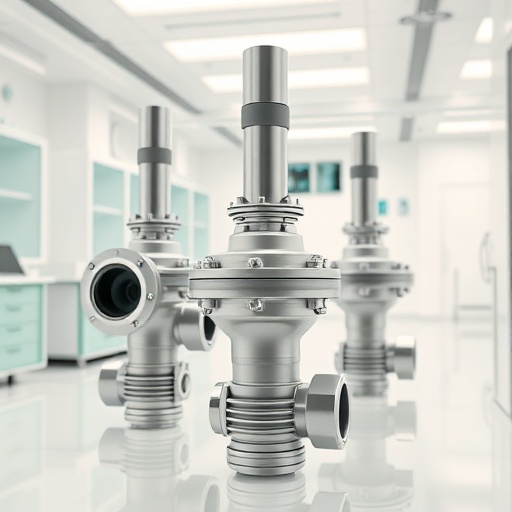
Venturi systems integrate several core elements to deliver reliable performance in airflow and pressure management. The primary component, the converging-diverging nozzle, accelerates fluid flow and generates the low-pressure zone central to the Venturi effect. Paired with this, stainless steel construction ensures durability against corrosive environments, common in laboratories and manufacturing. Valves, often venturi type valves, regulate the flow, while actuators like electric actuators provide automated adjustments. Ducts channel the air stream, and eductors enhance mixing for applications such as fume hood exhausts. In assembly, venturi assembly valves combine these parts into compact units, simplifying installation in HVAC setups. Sensors monitor pressure and flow, feeding data to control systems for real-time efficiency. Blowers amplify the initial flow, crucial for large-scale indoor air quality efforts. This synergy of components makes venturi systems versatile, from basic venturi flow valves to advanced venturi control valves. Manufacturers prioritize precision machining to minimize leaks, ensuring consistent air flow in critical areas like healthcare facilities. Overall, these elements create robust venturi technology that supports sustainable operations and superior air quality management.
Applications of Venturi Technology in Various Industries
Venturi technology spans industries, driving efficiency in diverse settings from manufacturing to science. In HVAC, venturi valves optimize air distribution, enhancing indoor air quality by precisely metering supply air. Laboratories deploy venturi systems in fume hoods to safely extract hazardous vapors, maintaining safe airflow for researchers. Healthcare facilities use them to control aerosol dispersion, protecting patients and staff from airborne pathogens. Manufacturing leverages venturi eductors for dust collection, improving workplace air quality and compliance. The automotive sector employs venturi mechanisms in carburetors for fuel-air mixing, though modern shifts favor electronic controls. Water treatment plants apply venturi injectors to aerate fluids, paralleling air quality efforts. In agriculture, venturi systems irrigate crops efficiently, but indoor applications shine in greenhouses for climate control. Aerospace benefits from venturi designs in wind tunnels, simulating airflow for testing. Energy sectors use them in scrubbers to capture emissions, tying into broader sustainability goals. Venturi applications prove adaptable, with venturi valve products tailored for specific needs like high-pressure environments. This versatility underscores venturi technology's role in fostering safer, more efficient operations across the board.
Enhancing Indoor Air Quality with Venturi Valves
Role of Venturi Valves in HVAC Systems
Venturi valves play a pivotal role in HVAC systems by delivering precise airflow control without mechanical linkages, ensuring consistent indoor air quality. These devices use the Venturi effect to measure and regulate air flow directly in ducts, eliminating the need for separate sensors. In variable air volume (VAV) setups, venturi valves adjust supply based on demand, reducing energy use while maintaining comfort. They integrate seamlessly with air handling units, where blowers push air through dampers modulated by HVAC controls. For commercial buildings, this means balanced pressure across zones, preventing drafts or stagnation that breed pollutants. Venturi flow control valves excel in high-traffic areas, diluting indoor contaminants like VOCs and particulates. Maintenance stays simple, as their passive design avoids wear on moving parts, unlike traditional globe valves. Electric actuators can enhance automation, syncing with building management software for optimal performance. In retrofits, venturi valves upgrade legacy systems, boosting efficiency and air quality metrics. Overall, they transform HVAC into a smart guardian of health, prioritizing clean air circulation in homes, offices, and beyond.
Impact on Laboratory Environments
In laboratory environments, venturi valves revolutionize safety and precision by managing airflow in fume hoods and cleanrooms. These valves ensure constant face velocities, pulling hazardous fumes away from researchers without disrupting experiments. Laboratories handling chemicals or biological agents depend on venturi systems to maintain negative pressure, containing aerosols and spills. The stainless steel construction resists corrosion from acids, extending service life in demanding science settings. Integration with VAV boxes allows dynamic adjustment to occupancy, conserving energy during off-hours. Flow measurement via the Venturi effect provides accurate data, essential for compliance with standards like ASHRAE. In biosafety labs, venturi valves prevent cross-contamination by isolating airflow paths in ducts. They outperform traditional dampers in responsiveness, minimizing turbulence that could compromise sensitive equipment. Management teams appreciate the reduced noise from efficient blowers, fostering a quieter workspace. As labs evolve toward green practices, venturi technology cuts HVAC energy demands, aligning with sustainability mandates. Ultimately, these valves safeguard personnel and data integrity, making laboratories hubs of innovation with uncompromised air quality.
Benefits for Healthcare Facilities
Healthcare facilities gain immense benefits from venturi valves, which enhance infection control and patient comfort through superior indoor air quality. In operating rooms, these valves maintain laminar airflow, reducing surgical site infections by efficiently removing aerosols. Hospitals use venturi systems in isolation wards to create directional pressure gradients, containing pathogens like viruses. The precision of venturi flow valves ensures consistent ventilation rates, critical for immunocompromised patients. Energy savings arise from their efficient design, lowering operational costs in large air handling units. Integration with HVAC controls allows real-time adjustments based on occupancy, optimizing fresh air intake. Stainless steel variants withstand sterilization, vital for hygiene in clinical settings. Unlike standard valves, venturi types eliminate mechanical failures, boosting reliability during emergencies. Facility managers report improved staff morale from quieter, cleaner environments. In outpatient clinics, they balance air flow to prevent stuffiness, supporting faster recovery times. As healthcare prioritizes post-pandemic resilience, venturi valves stand out for their role in proactive air quality management, protecting lives with cutting-edge technology.
Innovations in Venturi Valve Design
Types of Venturi Valves and Their Applications
Venturi valve types vary to suit specific applications, from basic flow regulation to advanced pressure management. Standard venturi valves, often called venturi type valves, focus on simple air flow metering in ducts, ideal for general HVAC duties. Variable venturi valves incorporate adjustable cones for tunable capacity, perfect for VAV systems in offices. High-pressure variants handle industrial demands, like laboratory fume hood exhausts, where stainless steel builds resist harsh conditions. Eductor-style venturi valves mix secondary air streams, enhancing dilution in manufacturing vents. Globe-like venturi designs offer tight shutoff for isolation tasks in healthcare. Each type leverages the Venturi mechanism for passive operation, reducing maintenance. Applications span venturi valves applications in cleanrooms for particulate control and commercial kitchens for grease extraction. Variations include motorized models with electric actuators for automation. Selecting the right venturi valve products depends on flow rates and media, ensuring efficiency. These innovations make venturi valves indispensable, adapting to diverse needs while upholding air quality standards across sectors.
Advancements in Venturi Control Valves
Advancements in venturi control valves push boundaries in precision and integration, featuring smart sensors for real-time feedback. Modern designs embed flow measurement directly into the valve body, using the Venturi effect for accurate readings without added hardware. Electric actuators now provide proportional control, syncing with HVAC controls for seamless modulation. Stainless steel alloys enhance corrosion resistance, extending life in aerosol-heavy environments like laboratories. Computational fluid dynamics refines venturi design valves, minimizing turbulence and boosting efficiency. Hybrid models combine venturi principles with damper functions, offering versatile air flow control in air handling units. These valves excel in venturi flow control valves setups, where pressure independence maintains performance amid varying duct conditions. Innovations include low-leakage seals for energy conservation, vital in sustainable buildings. Manufacturers incorporate IoT connectivity, allowing remote monitoring via software. In healthcare, advanced venturi pressure valves prevent over-pressurization, safeguarding sensitive equipment. These developments elevate venturi control valves from passive tools to intelligent components, revolutionizing airflow management with unmatched reliability.
Integration with Building Automation Systems
Integration of venturi valves with building automation systems streamlines operations, creating responsive environments for optimal indoor air quality. Actuators link valves to central controllers, enabling automated adjustments based on occupancy sensors or CO2 levels. This setup in HVAC systems uses protocols like BACnet for seamless data exchange, enhancing management efficiency. Venturi valves provide inherent flow measurement, feeding precise information to dashboards for analytics. In large facilities, building automation coordinates multiple valves across ducts, balancing air flow dynamically. Laboratories benefit from sequenced operation with fume hoods, ensuring safety during variable loads. Healthcare integrations prioritize alert systems for pressure anomalies, preventing breaches. Software overlays visualize trends, aiding predictive maintenance on blowers and dampers. Electric actuators respond in milliseconds, outperforming manual alternatives. Sustainability gains emerge as automation optimizes energy use, reducing blower runtime. As building automation evolves, venturi valves anchor the network, delivering actionable insights for proactive air quality control. This fusion empowers facility managers to foster healthier, smarter spaces effortlessly.
Measuring and Managing Airflow Efficiency
Flow Measurement Techniques for Venturi Valves
Flow measurement techniques for venturi valves rely on the core Venturi effect, converting pressure differentials into accurate volume readings. Differential pressure sensors across the throat provide direct data, calibrated for air flow in ducts. Advanced models use ultrasonic or thermal methods to refine precision, especially in low-velocity scenarios. In HVAC applications, these techniques integrate with VAV boxes for demand-based control. Laboratories employ them to verify fume hood capture velocities, ensuring aerosol containment. Software processes raw data, compensating for temperature and density variations. Venturi flow valves shine here, as their geometry yields repeatable results without recalibration. Portable kits allow on-site verification, crucial for compliance audits in healthcare. Efficiency metrics derive from these measurements, guiding damper adjustments in air handling units. Manufacturers standardize throat sizes for universal applicability, from small labs to industrial blowers. This non-intrusive approach minimizes system disruption, promoting reliable airflow management. Ultimately, mastering these techniques unlocks the full potential of venturi valves in sustaining high-efficiency operations.
Software Solutions for Air Quality Management
Software solutions for air quality management empower users to monitor and optimize venturi valves in real time, leveraging data from integrated sensors. Platforms aggregate flow measurement and pressure readings, generating dashboards for quick insights into HVAC performance. In laboratories, algorithms predict contaminant buildup, triggering valve adjustments via actuators. Healthcare facilities use these tools to track aerosol levels, ensuring compliance with infection control protocols. Building automation software simulates scenarios, testing venturi system responses without physical changes. Cloud-based options enable remote access, ideal for multi-site management. Features include alerts for efficiency drops in air handling units, prompting timely interventions. Integration with IoT devices expands coverage to ducts and blowers, creating a holistic view. Users customize reports on indoor air quality metrics, supporting regulatory filings. Advanced AI analyzes trends, forecasting maintenance for dampers and valves. These solutions transform raw information into strategic actions, enhancing airflow efficiency. As technology advances, software bridges the gap between venturi hardware and intelligent management, fostering proactive environments.
Pressure Control and Efficiency in Air Handling Units
Pressure control in air handling units hinges on venturi valves to maintain balanced systems, driving efficiency across HVAC networks. These valves regulate static pressure in ducts, preventing overwork on blowers and reducing energy consumption. In variable setups, venturi pressure valves adjust dynamically, matching demand in zones like laboratories or healthcare wings. Dampers complement this by fine-tuning distribution, but venturi's passive sensing ensures accuracy. Efficiency soars as precise control minimizes leaks and turbulence, optimizing air flow paths. Manufacturers design units with stainless steel components for longevity under constant pressure cycles. Electric actuators enable automated responses to sensor inputs, enhancing overall system responsiveness. In manufacturing, this setup captures fumes efficiently, protecting indoor air quality. Software monitors key performance indicators, alerting to imbalances. Benefits extend to cost savings, with studies showing up to 30% reductions in fan power. Robust pressure management via venturi technology not only boosts operational efficiency but also elevates occupant safety, making air handling units cornerstones of modern buildings.
Future Trends in Venturi Technology
The Role of Data in Enhancing Air Quality
Data plays a transformative role in enhancing air quality through venturi technology, enabling predictive and personalized control strategies. Sensors embedded in venturi valves collect vast information on flow, pressure, and contaminants, feeding machine learning models for pattern recognition. In HVAC systems, this data refines algorithms, anticipating peaks in aerosol generation during lab experiments. Healthcare leverages it for real-time pathogen tracking, adjusting valves to isolate risks. Building automation platforms analyze historical trends, optimizing energy use while upholding standards. Future integrations with big data platforms will forecast maintenance, preventing downtime in critical air handling units. Laboratories benefit from data-driven simulations, testing venturi mechanisms virtually before deployment. Software evolves to incorporate user feedback, tailoring indoor air quality to occupant needs. As 5G enables faster transmission, edge computing processes data on-site, reducing latency. This data-centric approach not only elevates efficiency but also democratizes access to advanced management tools. Ultimately, data unlocks venturi technology's potential, creating adaptive environments that prioritize health and sustainability.
Sustainability in Manufacturing Venturi Products
Sustainability shapes the manufacturing of venturi products, emphasizing eco-friendly materials and processes to minimize environmental impact. Producers shift to recycled stainless steel for valves, reducing mining demands while maintaining durability in HVAC applications. Energy-efficient fabrication techniques, like precision CNC machining, cut waste in venturi assembly valves production. Lifecycle assessments guide designs, ensuring recyclability at end-of-life. In laboratories, sustainable venturi systems lower operational carbon footprints through optimized airflow. Manufacturers adopt green certifications, appealing to healthcare clients focused on LEED compliance. Additive manufacturing emerges for custom venturi designs, slashing material use by 20-30%. Supply chains prioritize local sourcing to cut emissions from transport. Innovations include bio-based coatings for corrosion resistance, avoiding hazardous chemicals. Efficiency in production translates to end-user benefits, like reduced blower energy in air handling units. As regulations tighten, sustainable practices future-proof venturi valve products. This commitment fosters a circular economy, where manufacturing supports broader goals of clean indoor air quality and planetary health.
Exploring New Applications of Venturi Mechanisms
Exploring new applications of venturi mechanisms opens doors to innovative uses beyond traditional HVAC, expanding into smart cities and beyond. In urban ventilation, venturi systems integrate with street-level air purifiers, drawing pollutants into filtration units for cleaner public spaces. Agriculture adopts scaled-down venturi valves for greenhouse climate control, enhancing crop yields with precise air flow. Aerospace experiments with micro-venturi for cabin air quality, managing pressure in flight. Wearable tech prototypes use miniaturized mechanisms to monitor personal aerosol exposure. In water management, venturi eductors aerate reservoirs, mirroring air quality efforts. Manufacturing explores venturi in 3D printing enclosures to control fumes. Healthcare ventures into portable venturi devices for field hospitals, ensuring sterile airflow. Software simulations accelerate these explorations, validating designs quickly. Future trends include hybrid venturi with nanomaterials for advanced filtration. As venturi technology evolves, its mechanisms promise versatile solutions, from everyday efficiency to groundbreaking science. This exploration drives progress, redefining applications in an interconnected world.