Streamlining Industrial Automation with Versatile Protocol Converters
The Role of Protocol Converters in Industrial Automation
Understanding Protocol Converters and Their Functionality
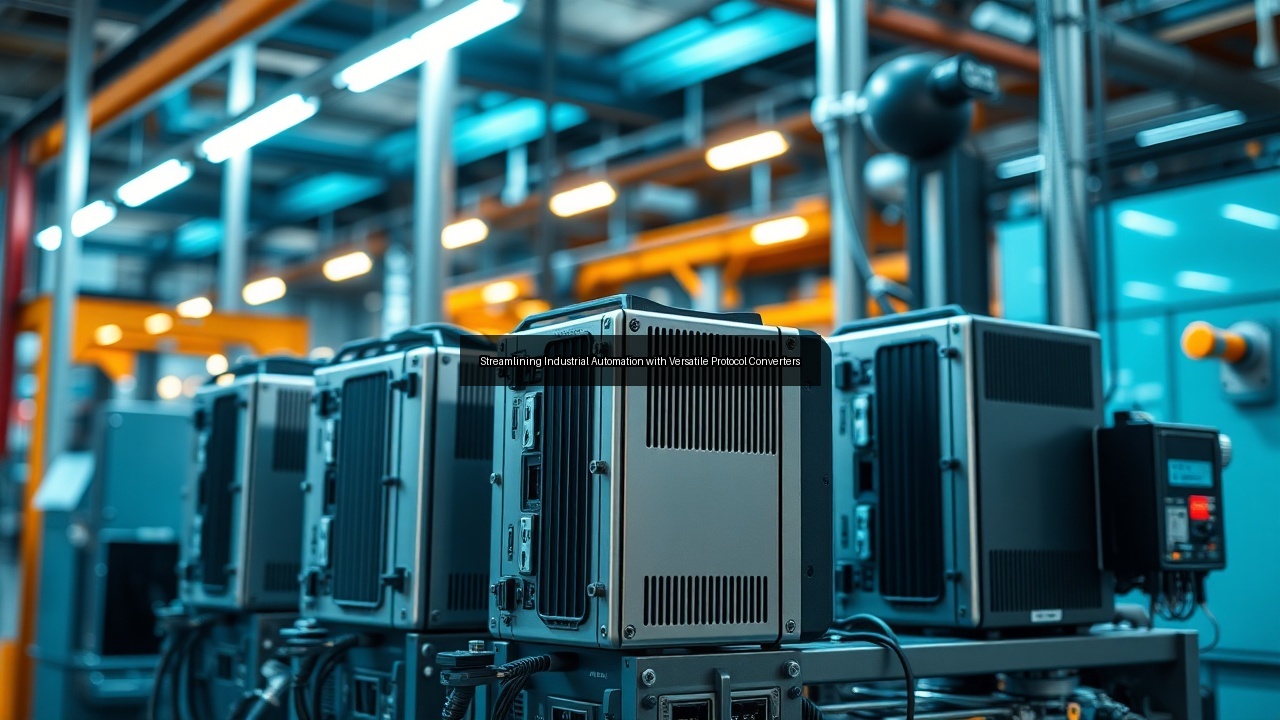
Protocol converters serve as the backbone of industrial automation systems. They facilitate communication between devices that speak different languages, enabling seamless interaction across diverse networks. By translating protocols, such as Modbus to EtherCAT or DNP3 to RS-485, these converters eliminate barriers that often hinder the integration of various components. This capability is crucial in environments where legacy equipment needs to communicate with modern systems, ensuring that operations run smoothly without the need for complete overhauls. Protocol converters streamline the data transfer process, allowing devices to exchange vital information in real-time, which enhances operational efficiency and reduces downtime.
Key Benefits of Using Protocol Converters in Automation
Implementing protocol converters in industrial automation offers several compelling advantages. First, they promote interoperability among devices, ensuring that equipment from different manufacturers can work together effectively. This interoperability leads to reduced costs since companies can leverage existing infrastructure rather than invest heavily in new systems. Second, protocol converters enhance scalability. Businesses can easily add new devices or upgrade systems without worrying about compatibility issues. Additionally, these converters improve data integrity and reliability by standardizing communication methods, which minimizes the risk of data loss during transmission. Overall, the use of protocol converters significantly boosts productivity and operational efficiency in industrial settings.
Types of Protocols Supported by Converters
Protocol converters support a wide range of industrial communication protocols, each serving specific needs within automation systems. Common protocols include Modbus, DNP3, J1939, and IEC 61850, which cater to various applications from power distribution to industrial machinery. Modbus TCP, for example, is widely used for connecting programmable logic controllers (PLCs) to supervisory control and data acquisition (SCADA) systems, while DNP3 is essential for utility automation. J1939 serves the automotive industry, particularly for heavy-duty vehicles, enabling communication between ECUs. Understanding the protocols supported by converters allows businesses to choose the right solution tailored to their unique operational requirements.
Integrating Diverse Networks with Protocol Converters
Connecting PLCs and Fieldbus Systems
Connecting PLCs with fieldbus systems exemplifies the critical role of protocol converters in industrial automation. Fieldbus technologies such as CANopen or Profibus enable robust communication among field devices, while PLCs manage and control these devices. Protocol converters bridge the gap between these two systems, allowing for effective data exchange. For instance, converting signals from a Profibus network to a Modbus format enables a PLC to gather data from various sensors and actuators seamlessly. This integration enhances real-time monitoring and control capabilities, ultimately leading to improved operational responsiveness and efficiency in manufacturing processes.
Facilitating Communication Between SCADA and IIoT Devices
The proliferation of Industrial Internet of Things (IIoT) devices has transformed how industries operate. Protocol converters play a pivotal role in facilitating communication between SCADA systems and IIoT devices. They ensure that data from numerous sensors and smart meters are accurately translated and relayed to SCADA for monitoring and control. By connecting these disparate systems, protocol converters enable industries to harness the full potential of IIoT, allowing for advanced analytics, predictive maintenance, and enhanced decision-making. This integration fosters a proactive approach to industrial operations, significantly enhancing productivity and operational efficiency.
Bridging Legacy Systems with Modern Protocols (Modbus, DNP3, J1939)
Many industries still rely on legacy systems that utilize outdated protocols, which can pose significant challenges in a rapidly evolving technological landscape. Protocol converters bridge the gap between these legacy systems and modern protocols like Modbus, DNP3, and J1939. By enabling communication between older devices and contemporary automation systems, protocol converters ensure that businesses can modernize without incurring the costs of complete system replacements. This adaptability not only prolongs the lifespan of existing equipment but also allows for incremental upgrades, fostering a more flexible and resilient industrial environment.
Enhancing Efficiency and Productivity in Smart Grids
Utilizing Protocol Converters for Smart Meter Integration
Smart meters represent a significant advancement in energy management, providing real-time data on electricity usage, demand response, and grid health. Protocol converters facilitate the integration of these smart meters into existing grid infrastructures, allowing utility companies to monitor and manage energy distribution more effectively. By converting various communication protocols utilized by smart meters into a unified format, protocol converters enable seamless data exchange across the smart grid. This integration enhances operational efficiency, reduces energy waste, and ultimately leads to more sustainable energy management practices.
The Impact of Protocol Translation on Data Transfer and Networking
Protocol translation plays a crucial role in optimizing data transfer and networking across industrial applications. By converting data formats between different protocols, protocol converters ensure that information flows seamlessly between devices, regardless of their communication standards. This capability minimizes latency and maximizes throughput, which is essential for real-time applications in smart grids and industrial automation. Efficient data transfer not only enhances system performance but also supports advanced functionalities like remote monitoring and predictive analytics, driving productivity and operational excellence in modern industrial environments.
Managing IEC 61850 Protocols in Substation Automation
IEC 61850 is a robust standard designed for substation automation, enabling efficient communication between various devices within the power grid. Protocol converters simplify the management of IEC 61850 protocols, allowing utilities to integrate a wide array of devices, including relays, switches, and monitoring systems. By translating IEC 61850 messages into formats compatible with existing infrastructure, these converters ensure that substations operate smoothly and efficiently. This capability enhances operational reliability and safety, allowing utilities to respond effectively to changing grid conditions and maintain power distribution stability.
Future Trends in Protocol Conversion for Industrial Applications
The Rise of IoT Networks and Their Implications for Protocol Converters
The rapid expansion of IoT networks is reshaping the landscape of industrial automation. As more devices connect and communicate, the demand for effective protocol converters will increase. Future protocol converters will need to accommodate a wider array of protocols and offer enhanced flexibility to support diverse applications. This evolution will empower industries to leverage the full capabilities of IoT networks, enabling smarter manufacturing processes, improved resource management, and enhanced operational efficiency. As technology advances, protocol converters will become essential tools in navigating the complexities of interconnected industrial environments.
Exploring TCP and RS-485 Integration for Enhanced Performance
TCP and RS-485 integration represents a promising avenue for enhancing industrial communication performance. TCP, with its robust data transmission capabilities, can facilitate high-speed communication over local and wide-area networks. Meanwhile, RS-485 remains a popular choice for long-distance communication in industrial settings due to its noise resistance and reliability. Protocol converters that integrate these two protocols can significantly improve network performance, enabling faster and more reliable data transfer across diverse environments. This integration not only enhances communication efficiency but also supports the growing need for real-time data analytics in industrial applications.
Prospects for Protocol Gateways in Next-Generation Automation Solutions
Protocol gateways are poised to play a pivotal role in the future of industrial automation. These advanced solutions will provide enhanced functionalities, such as advanced protocol translation, data filtering, and integration of cloud services. As industries increasingly adopt cloud-based applications for data analytics and monitoring, the demand for sophisticated protocol gateways will rise. These gateways will streamline communication between on-premises devices and cloud platforms, enabling seamless data flow and improved decision-making capabilities. The future of industrial automation will undoubtedly rely on these innovative solutions, driving productivity and efficiency to new heights.
See Also
- Revolutionizing SCADA Systems with Protocol Gateway Solutions
- The Future of Data Transfer in Substations with Protocol Converters
- The Evolution of Protocol Converters in the Age of Digital Transformation
- Harnessing the Power of RS-485 Through Innovative Protocol Gateways
- Navigating the World of IEC 61850 and Protocol Conversion