The Ultimate Guide to Choosing the Right Rubber Hose for Every Application
Understanding Rubber Hoses and Elbows
What Are Rubber Hoses?
Rubber hoses serve as flexible conduits that transport fluids, gases, or air in countless systems. Engineers and technicians rely on these durable tubes to connect components securely while accommodating movement and vibration. Made from synthetic or natural rubber, hoses withstand pressure, temperature fluctuations, and exposure to chemicals. In automotive setups, a rubber hose channels coolant or fuel; in industrial environments, it delivers water or oil to machinery. Their inner lining resists abrasion, while the outer cover protects against external damage. When selecting rubber hoses, consider the material's elasticity, which allows bending without kinking. This flexibility proves vital in tight spaces, such as engine compartments or piping networks. Rubber hoses come in various diameters and lengths, often sold in bulk or pre-cut pieces (pcs) for specific jobs. They outperform rigid pipes in dynamic applications, reducing stress on joints and fittings. For optimal performance, pair them with compatible connectors to prevent leaks. Understanding these basics helps users avoid mismatches that lead to failures. Rubber hoses embody reliability, bridging the gap between rigid infrastructure and fluid needs.
Types of Rubber Hoses: A Comprehensive Overview
Rubber hoses divide into several types based on construction and intended use, each designed for distinct pressures and environments. Air hoses, for instance, handle compressed air in tools and pneumatic systems, featuring reinforced braiding for burst resistance. Hydraulic hoses manage high-pressure fluids in heavy equipment, with multiple layers of rubber and steel wire for strength. Garden hoses prioritize flexibility and UV resistance for outdoor watering, often with a smooth interior to ease water flow. Fuel hoses incorporate barriers against permeation, essential in vehicles to prevent vapor escape. Chemical-resistant hoses shield against corrosive substances in labs or factories, using specialized rubber compounds like EPDM or Viton. Radiator hoses in cars endure heat and coolant exposure, molded for exact fits. Multi-purpose hoses suit general tasks, balancing cost and versatility. Each type varies in wall thickness, affecting durability and weight. Technicians select based on temperature range, from -40°F to 250°F in many cases. Reinforcement—textile, wire, or helical—boosts PSI handling. This overview equips buyers to match hoses to tasks, ensuring safety and efficiency in applications from cold air intake systems to heavy-duty tubing setups.
What Are Rubber Elbows?
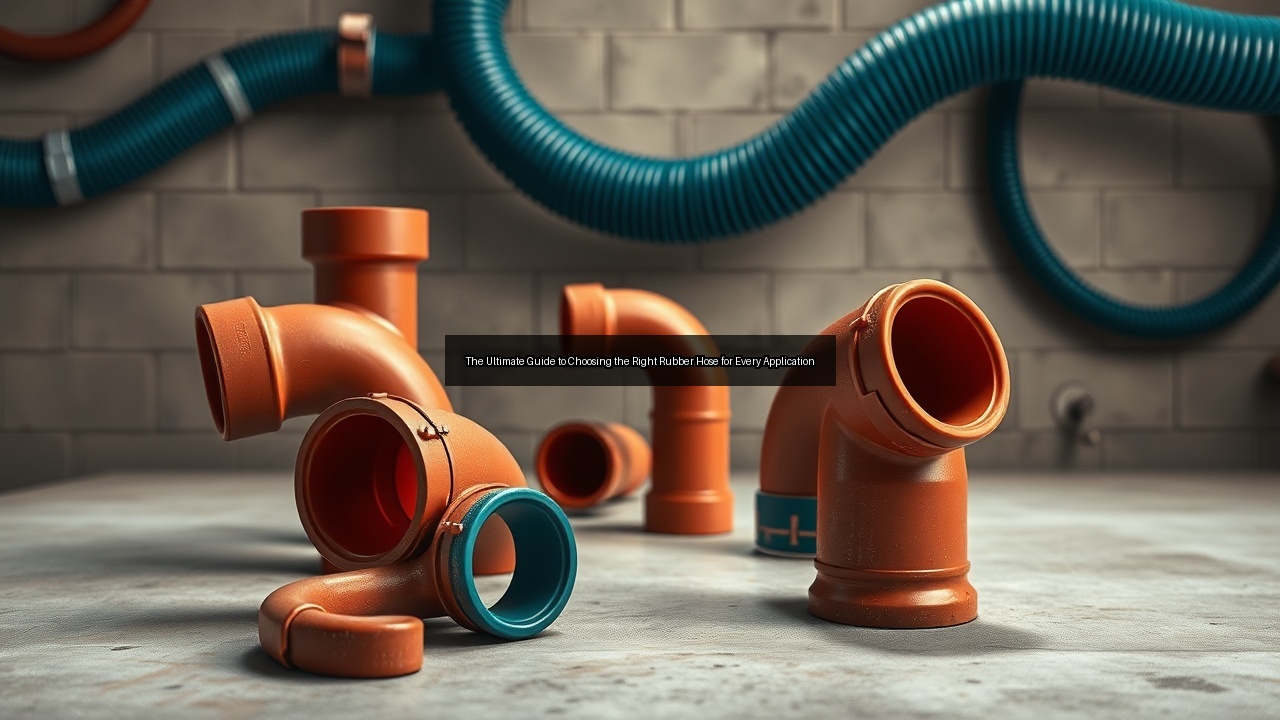
Rubber elbows function as curved connectors that redirect flow in hose assemblies, enabling smooth transitions around obstacles. These flexible components, often molded from rubber, join straight hoses to fittings or pipes at angles. They absorb vibrations and misalignments, reducing wear on connected parts. In plumbing or automotive uses, a rubber elbow bends without cracking, unlike metal alternatives that rust or fatigue. Available in various sizes, they match hose diameters for seamless integration. Rubber elbows excel in low-pressure systems, such as ventilation or drainage, where rigidity could cause leaks. Their elasticity allows installation in confined areas, like under sinks or in engine bays. Manufacturers produce them in black or colored rubber for visibility and identification. Some include embedded fabrics for added strength. When paired with hose clamps, rubber elbows secure tightly, preventing slippage. They differ from rigid elbows by conforming to thermal expansion. This adaptability makes rubber elbows indispensable in dynamic setups, from irrigation lines to exhaust tubing. Understanding their role clarifies why they often outlast straight connections in flexible piping.
Applications of Rubber Elbows in Various Industries
Industries harness rubber elbows to navigate complex routing in fluid and air systems, enhancing efficiency across sectors. In automotive manufacturing, they direct coolant through engine blocks, withstanding heat cycles without degrading. HVAC systems use rubber elbows to bend ducting around beams, maintaining airflow in buildings. Agriculture employs them in irrigation setups, where they curve hoses around crops or terrain, resisting soil abrasion. Marine applications feature rubber elbows in bilge pumps, handling saltwater exposure without corroding. Oil and gas sectors integrate them into transfer lines, connecting tubes for safe fluid movement. Food processing lines rely on sanitary rubber elbows to turn product flows hygienically, meeting FDA standards. Aerospace demands lightweight rubber elbows for fuel lines, minimizing weight while ensuring seals. Construction sites use them in temporary water supplies, flexing with worker movements. Even in laboratories, rubber elbows link glassware tubing for experiments. These versatile pieces adapt to vibrations, pressures, and environments, often customized with specific durometers for hardness. By addressing related searches like rubber elbow applications, users find solutions that prevent downtime and extend system life in demanding fields.
Selecting the Right Rubber Hose for Your Needs
Factors to Consider When Choosing Rubber Hoses
Buyers must evaluate several factors to pick rubber hoses that match their project's demands, starting with the operating environment. Temperature extremes demand hoses rated for heat or cold, preventing softening or brittleness. Chemical compatibility tops the list—acidic fluids require resistant linings to avoid degradation. Pressure requirements dictate reinforcement; high PSI needs wire-braided models. Length and diameter influence flow rates—too narrow restricts efficiency, too long adds drag. Flexibility matters for routing around corners, where stiff hoses kink easily. Cost balances quality; premium hoses last longer, reducing replacements. Certifications like ASTM ensure compliance with safety norms. Installation ease favors barbed or push-on ends for quick connections. UV exposure calls for ozone-resistant covers in outdoor use. Bend radius specifies minimum curves to avoid collapse. For cold air intake systems, select low-permeation rubber hoses to optimize engine performance. Weight affects portability in mobile applications. By weighing these elements, users secure rubber hoses that perform reliably, minimizing risks like bursts or leaks. This thoughtful approach transforms selection from guesswork to precision.
Understanding PSI Ratings and Their Importance
PSI ratings measure a rubber hose's maximum working pressure, guiding safe usage to prevent catastrophic failures. This pounds per square inch figure indicates burst strength, often three times the working pressure for safety margins. Low-PSI hoses suit garden watering at 50-100 PSI, while industrial models handle 300-5000 PSI for hydraulics. Exceeding ratings risks explosions, injuring operators and damaging equipment. Manufacturers stamp ratings on sidewalls for easy identification. Temperature affects PSI—heat lowers capacity, so consult charts for derating. Reinforcement layers boost ratings; single-braid suits light duty, double-braid tackles heavy loads. In automotive hoses, like those for fuel injection, 100-200 PSI suffices. Testing under ASTM protocols verifies claims. Users calculate system needs by adding pump output and elevation losses. Over-specifying adds unnecessary cost and bulk. For air tools, 200 PSI hoses ensure consistent power. Ignoring ratings invites downtime; proper matching extends life. This knowledge empowers choices, whether for simple tubing or complex pipe fitting assemblies, ensuring rubber hoses and elbows operate within limits.
Common Applications: From Cold Air Intake to Industrial Use
Rubber hoses power diverse applications, from enhancing vehicle performance in cold air intakes to fueling industrial machinery. In cars, cold air intake hoses draw cooler air into engines, improving combustion with flexible rubber tubing that resists heat soak. Factories use them to convey lubricants to presses, where abrasion-resistant types endure constant motion. Plumbing systems route water through walls via rubber hoses connected to fittings, accommodating building shifts. Welding outfits channel gases through reinforced hoses, preventing sparks from igniting rubber. Breweries pipe wort transfers with sanitary hoses, easy to clean between batches. Mining operations deploy heavy-duty hoses for slurry transport, battling mud and rocks. Home workshops feature air hoses for compressors, coiling neatly for storage. Agricultural sprayers rely on chemical hoses to distribute pesticides without leaching. Power plants circulate steam lines with high-temperature rubber hoses. Each scenario demands tailored specs—diameter for volume, material for exposure. Related searches on rubber hoses reveal their ubiquity, from DIY repairs to large-scale production. Selecting appropriately boosts efficiency, cuts waste, and safeguards operations across these vital uses.
Rubber Elbows: The Essential Connectors
Rubber elbows and hoses form the backbone of flexible piping, with elbows providing directional changes that rigid parts can't match. These components ensure smooth flow in systems where space constraints or movement demand adaptability.
Types of Rubber Elbows: 90 Degree vs 45 Degree
Rubber elbows come in 90-degree and 45-degree varieties, each suited to specific routing needs in hose assemblies. The 90-degree elbow creates sharp right-angle turns, ideal for tight corners like engine bays or wall penetrations, where space limits straight runs. It redirects flow perpendicularly, minimizing hose length while maintaining pressure. In contrast, the 45-degree elbow offers gentler bends, reducing turbulence and pressure drops in fluid lines—perfect for gradual redirects in HVAC ducts or irrigation paths. Both types mold from durable rubber, with inner curves smoothed to prevent flow restrictions. 90-degree models often pair with hose clamps for secure fits in high-vibration areas, like exhaust systems. 45-degree elbows shine in applications needing less abrupt changes, such as fuel lines avoiding heat sources. Sizes range from 1/4-inch to 6-inch diameters, matching common tubing. Material variations include nitrile for oil resistance or silicone for heat tolerance. Installation requires measuring angles precisely to avoid stress cracks. Comparing these types helps users optimize layouts, whether for a simple garden hose elbow or industrial rubber elbows in complex networks. This choice impacts longevity, as gentler bends extend hose life.
How to Choose the Right Elbow Fitting for Your Application
Selecting the ideal elbow fitting involves assessing angle, size, material, and connection type to fit seamless into rubber hose systems. Start with the required bend—90-degree for compact turns, 45-degree for smoother flows. Match inner diameter to hose size for unrestricted passage; mismatches cause backups. Rubber elbow fittings resist corrosion better than metal in moist environments, but check for reinforcement if pressures exceed 150 PSI. Barb ends grip hoses tightly, while threaded options link to pipe fitting. Temperature rating must cover operating ranges—EPDM rubber handles up to 300°F. For chemical exposure, choose Viton-based elbows. Vibration-heavy apps benefit from flexible rubber over rigid alternatives. Cost versus durability weighs in; molded elbows outlast sewn ones. Test compatibility with existing connectors to ensure seals. In automotive uses, like intake manifolds, select barbed rubber elbow fittings for easy installation. Visual inspections confirm no defects like thin walls. By prioritizing these criteria, technicians avoid leaks and failures, enhancing system reliability. This methodical process applies to everything from home plumbing elbows to factory setups, making rubber elbows indispensable connectors.
Reducer Fittings: When and Why to Use Them
Reducer fittings transition between different hose or pipe sizes, essential when systems demand varying diameters for optimal flow. Use them to step down from large supply lines to smaller branches, preventing velocity issues in water distribution or air tools. In rubber hose assemblies, a reducer elbow combines size change with direction, saving space in crowded engine compartments. They prevent bottlenecks—wide inlets handle high volumes, narrow outlets maintain pressure. Install reducers at junctions where tubing meets machinery, like pumps or valves. Rubber reducers flex with thermal expansion, unlike metal ones that crack. Common scenarios include irrigation, shrinking from main lines to drip tubes, or automotive fuel systems adapting to injectors. Why choose them? They balance efficiency, reducing energy loss from mismatches. Pair with hose clamps for secure bonds. Sizes range from 1/2-inch to 4-inch reductions, often in 90-degree or straight forms. Material must resist the conveyed medium; neoprene suits oils, PVC for water. Overlooking reducers invites turbulence, eroding fittings prematurely. In industrial pipe fitting, they standardize connections across equipment. This versatility makes reducer fittings a smart addition to rubber elbows and hoses, streamlining diverse applications.
Essential Accessories for Rubber Hoses and Elbows
The Importance of Hose Clamps in Securing Connections
Hose clamps anchor rubber hoses and elbows to fittings, preventing slips that cause leaks or system failures. These metal or plastic bands tighten around connections, distributing pressure evenly to avoid hose damage. Worm-drive clamps adjust with screws for precise tension, ideal for automotive coolant lines. Spring clamps offer quick installation in vibration-prone areas like exhausts. Without them, pressure surges dislodge hoses, spilling fluids hazardously. Stainless steel variants resist corrosion in marine or chemical uses, lasting years outdoors. Size them to match hose diameters—too loose allows movement, too tight crimps rubber. In cold air intake mods, clamps secure silicone hoses against boost pressures. T-bolt clamps handle extreme loads in hydraulics, up to 1000 PSI. Regular checks ensure tightness, as rubber expands with heat. They outperform zip ties in reusability and strength. For rubber elbows, clamps at both ends stabilize bends under torque. This simple accessory boosts safety, extending the life of entire assemblies. Users searching hose clamps find endless options, but matching type to application guarantees reliability in everything from gardens to factories.
Fittings and Connectors: Ensuring a Tight Seal
Fittings and connectors join rubber hoses and elbows into cohesive systems, creating leak-proof seals under pressure. Barbed fittings insert into hose ends, with ridges locking rubber in place for push-on ease. Quick-connect connectors allow tool-free swaps in maintenance-heavy setups like air lines. Threaded adapters link hoses to NPT pipes, bridging flexible and rigid worlds. Brass or stainless materials prevent corrosion, vital in wet environments. O-rings or gaskets enhance seals, compressing against mating surfaces. In fuel systems, AN fittings standardize high-performance connections for rubber hoses. Elbow fittings incorporate bends, combining direction and attachment. Choose based on media—plastic for water, metal for gases. Torque specs prevent over-tightening, which bruises rubber. For reducers, ensure smooth transitions to avoid flow disruptions. Heat-resistant connectors suit hot applications like steam lines. Proper lubrication eases assembly without compromising grip. These components unify tubing networks, from simple garden hoses to industrial complexes. Neglecting quality invites downtime; premium fittings pay off in longevity. By integrating them thoughtfully, systems handle demands from low PSI watering to high-stakes hydraulics seamlessly.
Understanding NPT and Its Role in Pipe Fitting
NPT, or National Pipe Tapered thread, standardizes tapered connections in pipe fitting, ensuring compatibility across rubber hose accessories. This threading seals by wedging tighter under torque, ideal for pressure-tight joints without extra sealants in many cases. In rubber hose setups, NPT adapters convert barbed ends to threaded pipes, linking flexible tubing to rigid infrastructure. Tapered design—1/16-inch per inch—creates interference fits that resist vibration loosening. Sizes from 1/8-inch to 4-inch cover everything from small air hoses to large industrial lines. Use PTFE tape on male NPT threads for added leak prevention in gases or high pressures. Unlike straight NPT, tapered versions self-seal better in dynamic systems. In automotive pipe fitting, NPT fittings connect brake lines to reservoirs securely. Corrosion-resistant brass NPT suits outdoor elbows and hoses. Over-torquing risks cracking; follow 20-30 ft-lb guidelines. This standard unifies global manufacturing, simplifying sourcing for rubber elbows and hoses. Understanding NPT empowers users to integrate components flawlessly, avoiding mismatches that plague custom builds. From DIY plumbing to factory automation, it remains the go-to for reliable, tapered connections.
Maintenance and Longevity of Rubber Hoses and Elbows
Preventing Corrosion: Best Practices for Rubber Hoses
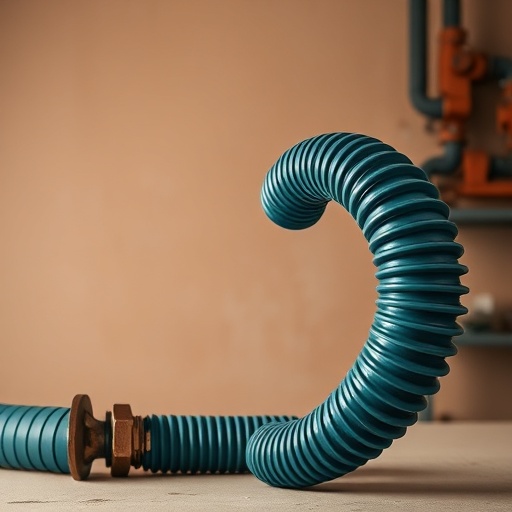
Preventing corrosion in rubber hoses extends their service life, focusing on environmental protections and material choices. Rubber itself resists rust, but metal reinforcements or fittings corrode, weakening assemblies. Store hoses coiled loosely in dry, shaded areas to avoid UV degradation, which cracks outer layers. Rinse chemical-exposed hoses thoroughly to neutralize residues that permeate rubber. Use corrosion inhibitors on metal clamps and connectors, especially in saltwater settings. EPDM rubber hoses excel in acidic or alkaline conditions, outlasting natural rubber. Inspect for swelling at fittings, a sign of internal breakdown. Avoid dragging hoses over rough surfaces that abrade protective covers. For cold air intake hoses, clean filters regularly to prevent oily buildup. Temperature swings accelerate aging—insulate against extremes. Annual pressure tests detect hidden weaknesses. Proper draining after use eliminates standing fluids that foster microbes. Pair with stainless fittings to minimize galvanic reactions. These practices cut replacement costs by 50%, keeping systems leak-free. In industrial uses, schedule professional audits for high-stakes hoses. By prioritizing prevention, users maximize the durability of rubber hoses and elbows, ensuring consistent performance year after year.
Signs of Wear and When to Replace Your Hoses
Spotting wear in rubber hoses early prevents failures, with visual and performance cues signaling replacement time. Cracks or blisters on the surface indicate UV or ozone damage—replace immediately to avoid bursts. Softening or bulging under pressure points to delamination; discard hoses showing this, especially in high-PSI apps. Leaks at ends or fittings suggest clamp failure or rubber hardening—tighten first, but swap if persistent. Kinking during bends reveals lost flexibility, common after 2-5 years of use. Discoloration or hardening from heat exposure warrants retirement. In vehicles, coolant hoses with white powdery residue signal electrolysis—replace to protect engines. Monitor flow rates; drops indicate internal restrictions from abrasion. Age alone matters; even unused hoses degrade after 5 years. For industrial rubber elbows, check for tears at curves where stress concentrates. Test with air pressure if unsure—below 80% rated PSI means out. Safety first: never patch critical hoses. Track usage logs for patterns. Related searches on hose replacement highlight these signs, guiding timely action. Proactive swaps maintain efficiency, averting costly downtime in everything from gardens to factories.
ASTM Standards and Their Relevance to Rubber Products
ASTM standards set benchmarks for rubber products like hoses and elbows, ensuring quality, safety, and performance consistency. ASTM D2000 classifies rubber compounds by properties, aiding selection for specific chemicals or temperatures. For hoses, ASTM D380 tests proof pressure and burst strength, verifying PSI ratings. Elbows fall under ASTM D1051 for hardness and elongation, guaranteeing flexibility. These specs influence manufacturing, from reinforcement to aging resistance. Compliance means products withstand real-world stresses, like corrosion or abrasion. In automotive uses, ASTM F810 covers fuel hose permeation, reducing emissions. Industrial buyers demand ASTM certification to meet regulations, avoiding liabilities. Standards evolve with tech—new ones address bio-based rubbers. Testing involves labs simulating conditions, like ozone exposure under ASTM D1149. Users verify labels for ASTM numbers during purchase. Non-compliant items risk failures, inflating costs. For pipe fitting integrations, ASTM B1.20.1 aligns with NPT threads. This framework builds trust, standardizing rubber hoses across global markets. By adhering to ASTM, manufacturers deliver reliable solutions, empowering informed choices in diverse applications from cold air intakes to heavy tubing.
See Also
- Why Rubber Elbows Are the Unsung Heroes of Efficient Plumbing Systems
- Rubber Elbows vs Metal Fittings Which One Should You Choose
- Exploring the Durability of Rubber Hoses in High-Pressure Environments
- From Cold Air Intakes to Plumbing Solutions Rubber Hoses Have You Covered
- The Science Behind Corrosion Resistance in Rubber Elbow Fittings