Understanding the Role of Expansion Joints in Pipe Systems for Maximum Efficiency

The Importance of Expansion Joints in Pipe Systems
Understanding Pipe Movement and Stress
Pipes in industrial and commercial systems endure constant thermal expansion and contraction from temperature fluctuations, alongside mechanical stresses from pressure changes and vibrations. Expansion joints absorb these movements, preventing cracks or failures in the pipe structure. Without them, pipes warp under heat, leading to leaks or bursts that disrupt operations. Engineers design expansion joints to handle axial, lateral, and angular shifts, ensuring the pipe maintains integrity. In high-temperature environments like steam lines, these joints prevent buckling by allowing controlled flexing. Stress from fluid volume variations also plays a role; sudden surges strain joints without proper accommodation. By integrating expansion joints, systems avoid downtime and extend lifespan. Pipe expansion joints specifically target linear growth, calculated using coefficients like alpha for materials such as steel. Real-world examples show unaddressed stress causing catastrophic failures in refineries, underscoring the need for proactive design. Understanding these dynamics helps facility managers select expansion joints that match operational demands, optimizing flow and safety.
Benefits of Using Expansion Joints
Expansion joints deliver unmatched flexibility to pipe systems, reducing wear on connected components and minimizing maintenance costs over time. They isolate vibrations from pumps and valves, protecting sensitive equipment from premature failure. In corrosive environments, these joints prevent stress corrosion cracking by decoupling pipe sections. Efficiency gains come from smoother fluid flow, as expansion joints eliminate rigid connections that cause turbulence. Safety improves too; by absorbing shocks, they avert leaks that could release hazardous materials. Cost savings extend beyond installation—durable expansion joints last decades, outpacing alternatives like slip joints. In seismic zones, they enhance resilience against earthquakes, allowing pipes to shift without breaking. Environmental benefits include reduced energy loss from friction in misaligned pipes. Industries report up to 30% longer system life with proper expansion joint use. These components also simplify retrofits, accommodating expansions without full pipe replacements. Overall, expansion joints boost reliability, ensuring uninterrupted operations in demanding settings like chemical plants or HVAC systems.
Common Applications in Various Industries
Expansion joints find essential roles across industries, from power generation to water treatment, where pipe systems face extreme conditions. In oil and gas pipelines, they handle high-pressure thermal cycles, preventing rupture during transport. Chemical processing plants use them to manage corrosive fluids, isolating reactions that generate heat and pressure. HVAC systems in buildings rely on rubber expansion joints for duct flexibility, damping noise and vibration from fans. Marine applications, such as shipboard piping, incorporate metal expansion joints to withstand hull movements and saltwater exposure. Power plants deploy them in boiler feed lines to absorb steam expansion, maintaining efficiency. Wastewater facilities benefit from expansion joints in sludge lines, accommodating irregular flows. Automotive manufacturing lines use compact versions for coolant pipes under engine heat. Even in food processing, sanitary expansion joints ensure hygienic seals during temperature swings. These versatile applications highlight how expansion joints adapt to diverse needs, from high-volume industrial pipes to precision engineering setups, always prioritizing system integrity and performance.
Types of Expansion Joints and Their Applications
Metal Expansion Joints: Strength and Durability
Metal expansion joints stand out for their robust construction, ideal for high-pressure and high-temperature pipe systems where rubber alternatives falter. Crafted from stainless steel or alloys, they endure corrosive gases and extreme cycles up to 1000°C. Bellows designs allow multi-plane movements, absorbing axial compression in turbine exhausts. In aerospace, metal expansion joints connect engine components, handling jet fuel vibrations without fatigue. Petrochemical plants favor them for flare stacks, where durability prevents leaks of volatile hydrocarbons. These joints integrate seamlessly with elbows, reducing stress concentrations at bends. Custom fabrication ensures precise corrugation for specific deflection needs. Unlike fabric types, metal expansion joints offer longevity—often 20+ years—with minimal creep under load. They pair with liners to protect against erosion from abrasive slurries. Engineers specify them for nuclear facilities, meeting stringent safety codes. Overall, metal expansion joints deliver unyielding performance in harsh environments, safeguarding pipe integrity and operational continuity.
Rubber Expansion Joints: Flexibility and Vibration Dampening
Rubber expansion joints excel in applications requiring superior flexibility and noise reduction, making them staples in water and HVAC pipe systems. Made from EPDM or neoprene, they absorb shocks from pumps, extending equipment life. In municipal water lines, rubber expansion joints handle ground settlement without cracking rigid pipes. Their spherical design accommodates misalignment, ideal for seismic-prone areas. Vibration dampening cuts transmission to building walls, enhancing occupant comfort in commercial spaces. These joints resist ozone and chemicals better than metal in low-pressure setups, like cooling towers. Arch types provide greater movement for longer spans, reducing the need for multiple units. Installation simplifies with tie rods to control pressure thrust. In marine exhausts, fluoropolymer-lined rubber expansion joints manage hot gases while sealing against moisture. Cost-effective and lightweight, they lower shipping and labor expenses. Regular checks prevent delamination from overextension. Rubber expansion joints thus optimize dynamic systems, ensuring quiet, efficient operation across plumbing and industrial ventilation.
Expansion Joints for Concrete Structures
Expansion joints for concrete structures bridge the gap between rigid slabs and flexible piping, preventing cracks from differential movement in buildings and bridges. These wall expansion joints use compressible fillers like foam or bitumen to seal gaps while allowing thermal shifts. In parking garages, they integrate with pipe penetrations, avoiding leaks through floors. Highway overpasses employ them to decouple concrete segments from embedded utilities, handling traffic-induced vibrations. Materials like PVC or silicone withstand weathering, maintaining watertight integrity. For industrial floors, modular expansion joints support heavy loads from forklifts without compressing pipes beneath. Design considers pour joints to align with pipe runs, minimizing hazards like trip points. In dams, they absorb reservoir pressure fluctuations, protecting water conduits. Retrofitting old structures often involves injecting sealants into existing joints for renewed flexibility. These components enhance durability, reducing repair costs in expansive concrete environments. By addressing movement in walls and foundations, expansion joints for concrete ensure long-term stability and seamless pipe integration.
Design Considerations for Expansion Joint Systems
Factors Influencing Joint Design
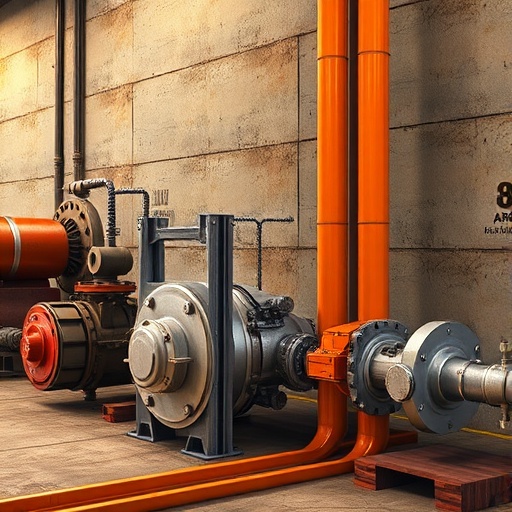
Designers tailor expansion joint systems to environmental pressures, material compatibility, and movement predictions for peak performance. Temperature range dictates bellows thickness in metal types, preventing fatigue in hot oil lines. Pressure ratings influence wall thickness, ensuring joints withstand bursts without failure. Corrosion from fluids like acids demands alloys or coatings, extending service life. Cycle frequency—daily startups in power plants—shapes fatigue resistance, with finite element analysis optimizing shapes. Media type affects liner choices; abrasives require reinforced rubber. Seismic codes mandate extra deflection capacity in earthquake zones. Space constraints guide compact gimbal designs over universal types. Cost balances initial outlay against lifecycle savings, favoring durable over cheap options. Integration with valves and gaskets ensures leak-proof seals. Human factors, like ease of inspection, influence access provisions. Thorough consideration of these elements crafts expansion joint systems that align with pipe demands, maximizing reliability and efficiency across applications.
Sizing Expansion Joints for Optimal Performance
Sizing expansion joints demands precise calculations based on pipe diameter, expected deflection, and system volume to avoid under- or over-specification. Engineers use formulas like L = alpha * Delta T * length for thermal growth, selecting joints with adequate convolution depth. For high-volume flows, larger bores minimize pressure drops, preserving pump efficiency. Lateral offsets require tied universal joints to handle shear without anchor stress. Software simulations predict cycle life, ensuring margins for unexpected surges. In steam systems, oversizing accommodates superheat variations, preventing liner burnout. Material stiffness—rubber versus metal—affects compression ratings; softer compounds suit low-pressure vibes. Installation tolerances factor in, with 10% extra movement for alignment errors. Testing prototypes under simulated loads validates sizes. Proper sizing cuts energy losses from friction and extends joint lifespan, optimizing overall pipe performance. Facilities gain from reduced downtime, as correctly sized expansion joints adapt seamlessly to operational realities.
Placement of Expansion Joints in Pipe Systems
Strategic placement of expansion joints in pipe systems targets high-stress zones like elbows and long straight runs to distribute loads evenly. Near pumps, they absorb startup vibrations, protecting impellers from misalignment. In looped circuits, joints at bends prevent torque on valves. Concrete walls demand joints at penetrations to allow settlement without pipe shear. Upstream of expansion joints, anchors control thrust, while guides maintain alignment. For multi-plane movement, position universal joints at intersections. In vertical risers, place them mid-height to counter buoyancy shifts. Distance between joints follows span rules—every 50 feet in hot lines—to limit deflection. Retrofit placements consider existing gaskets for compatibility. Poor positioning amplifies hazards like leaks at welds. Optimal placement enhances flow uniformity, reduces noise, and integrates with system dynamics, ensuring expansion joints fulfill their role without compromising the pipe network's cohesion.
Maintenance and Safety of Expansion Joints
Identifying Hazards Associated with Expansion Joints
Hazards lurk in overlooked expansion joints, from corrosion leaks releasing toxic fumes to catastrophic failures under overpressure. Visual cracks in rubber signal delamination, risking fluid escape into environments. Metal fatigue manifests as bellows leaks, especially near elbows where stress concentrates. Overextension from improper sizing causes anchor bolt failures, endangering nearby walls. Vibration-induced wear erodes gaskets, leading to pressure drops and pump cavitation. In hazardous material lines, joint breaches pose explosion risks if ignitable gases mix with air. Seismic shifts exacerbate hidden flaws, turning minor issues into structural collapses. Electrical hazards arise if joints contact live conduits in power plants. Contamination from degraded liners affects downstream valves, causing blockages. Early identification through anomaly detection—bulging or discoloration—mitigates these threats. Training personnel on hazard recognition fosters proactive safety, preventing incidents that halt operations and incur fines. Addressing expansion joint hazards safeguards workers and assets alike.
Regular Inspection and Maintenance Practices
Regular inspection of expansion joints uncovers wear before it escalates, involving visual checks, ultrasonic testing, and pressure tests quarterly in critical systems. Technicians scan for corrosion on metal surfaces, measuring wall thickness with gauges. Rubber joints require palpation for hardening or tears, often under operational loads. Documentation tracks cycle counts against design limits, scheduling replacements. Cleaning removes debris that accelerates erosion, especially in slurry pipes. Torque checks on bolts prevent loosening from vibrations. For submerged joints, divers or cameras inspect seals. Software logs integrate data for predictive maintenance, alerting to anomalies like volume shifts. Training ensures inspectors spot subtle signs, like gasket extrusion. Post-installation baselines establish normal conditions. These practices extend joint life by 50%, minimizing unplanned shutdowns. Consistent maintenance upholds safety standards, keeping pipe systems efficient and compliant in demanding industries.
The Role of Gaskets and Valves in Ensuring Efficiency
Gaskets and valves complement expansion joints by sealing connections and regulating flow, directly impacting system efficiency. High-quality gaskets, like spiral-wound types, maintain compression under joint movement, preventing leaks that waste energy. In valve-adjacent setups, they absorb thermal shifts, avoiding stem leaks. Valves upstream control pressure thrusts on joints, reducing deflection demands. Butterfly valves pair with rubber expansion joints for quick isolation during maintenance. Gasket materials match joint specs—PTFE for corrosives—to resist degradation. Proper torquing ensures even loading, minimizing hazards like blowouts. In high-volume lines, low-friction gaskets cut pump strain. Integration testing verifies compatibility, simulating cycles. Upgrading to resilient gaskets boosts MTBF in pipe networks. Valves with positioners fine-tune flows, easing joint stress from surges. Together, they form a cohesive barrier, enhancing leak-proof operation and longevity. Facilities relying on this synergy report smoother startups and lower operational costs.
Maximizing Efficiency with Proper Expansion Joint Selection
Choosing the Right Expansion Joint for Your System
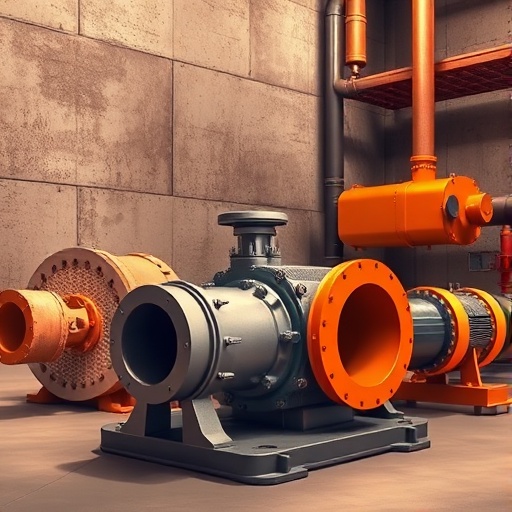
Selecting the ideal expansion joint hinges on matching system specifics—pressure, temperature, and media—to available types for seamless integration. Assess movement types first: axial for straight pipes, angular for elbows. Metal suits extremes, while rubber fits moderate vibes. Consult EJMA standards for compliance, ensuring cycle ratings exceed usage. Factor in space; tied joints suit confined areas. Cost-benefit analysis weighs upfront versus lifecycle expenses. Supplier audits verify quality, like ISO certifications. Pilot testing in mockups confirms fit with pumps and valves. Customization for unique volumes, like cryogenic lines, demands expert input. Avoid mismatches that amplify hazards. Right choices yield 20-40% efficiency gains through reduced friction and downtime. Industries from pharma to utilities thrive by prioritizing compatibility, turning expansion joints into performance enhancers rather than mere necessities.
Impact of Elbows and Volume on Joint Performance
Elbows introduce angular stresses that demand specialized expansion joints, like gimbal types, to prevent pipe distortion and maintain flow. Sharp bends concentrate forces, accelerating fatigue if joints lack flexibility. High-volume flows amplify thrust, requiring reinforced designs to counter hydrodynamic loads. In elbows, lateral movement dominates, so sizing accounts for offset without binding. Volume surges from pump startups test joint resilience, potentially causing gasket failures. Simulations model elbow interactions, predicting deflection under varying pressures. Wall proximity in tight layouts adds confinement hazards, necessitating compact joints. Mitigation involves guides to direct motion away from bends. Proper accounting boosts performance by 25%, smoothing transitions and cutting energy use. Engineers optimize by balancing elbow radius with joint capacity, ensuring robust handling of dynamic volumes in pipe circuits.
Integrating Expansion Joints with Pumps and Valves
Integrating expansion joints with pumps and valves creates harmonious systems, where joints buffer pulsations to protect seals and impellers. Position joints downstream of pumps to absorb centrifugal forces, reducing vibration transfer. Valves benefit from upstream joints that equalize pressures, easing actuation. In variable-speed pumps, flexible rubber joints adapt to flow changes, preventing cavitation. Tie rods stabilize assemblies, aligning shafts precisely. Gaskets at interfaces ensure no media bypass, maintaining efficiency. Control systems monitor joint strain during valve cycles, automating adjustments. In large-volume setups, multiple joints distribute loads evenly. Retrofitting demands compatibility checks to avoid resonance with pump frequencies. Successful integrations slash maintenance by half, enhancing throughput. This synergy turns potential weak points into strengths, optimizing pipe systems for reliability and peak output.