Unlocking Precision in Climate Control with Advanced HVAC Temperature Sensors
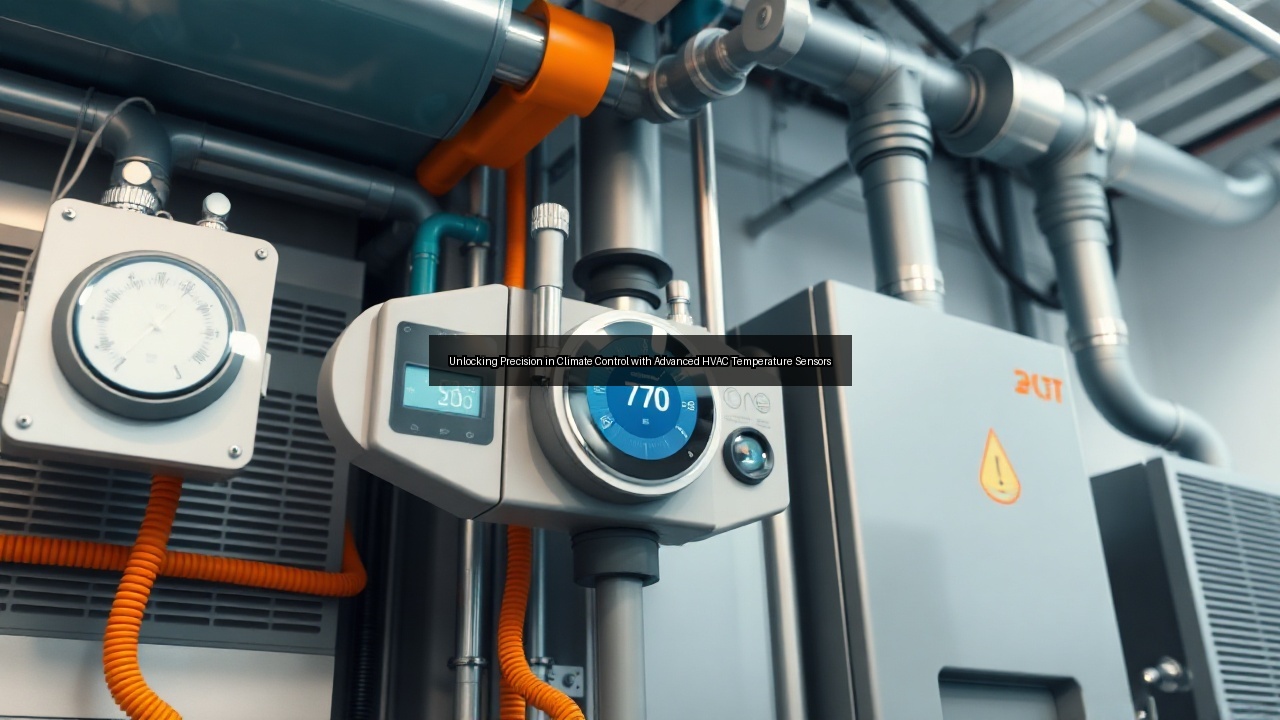
The Role of HVAC Temperature Sensors in Modern Climate Control
Understanding HVAC Systems and Their Components
HVAC systems form the backbone of effective climate control in residential, commercial, and industrial settings. These setups include compressors, coils, ducts, fans, and controls that manage airflow and thermal exchange. HVAC temperature sensors sit at the core of these operations by feeding real-time data to the central controller. Engineers integrate components such as air handling units and thermostats to maintain setpoints across zones. A thermocouple placed in a supply duct measures rapid temperature shifts, while a thermowell protects the sensor from corrosive environments. Proper placement ensures every element of the HVAC system responds accurately to load changes. Building operators rely on these sensors to coordinate heating and cooling cycles without waste. When technicians install sensors correctly, the entire assembly achieves balanced performance and extended equipment life.
The Importance of Accurate Temperature Measurement
Accurate temperature measurement drives energy savings and occupant comfort in any HVAC installation. Small deviations compound into higher utility costs and uneven room conditions. HVAC temperature sensors deliver the precision needed to keep supply air within tight tolerances. Facility managers use this data to adjust damper positions and fan speeds instantly. Reliable readings prevent short cycling of compressors and reduce wear on valves. In large facilities, even a two-degree error across multiple zones escalates operational expenses quickly. Calibration routines verify sensor output against reference standards, preserving measurement integrity over time. When teams prioritize accuracy, HVAC systems maintain stable conditions despite outdoor weather swings. This reliability supports consistent heating and cooling delivery while protecting sensitive processes that depend on stable environments.
How Temperature Sensors Enhance Indoor Air Quality
Temperature sensors improve indoor air quality by enabling precise regulation of humidity and ventilation rates. HVAC systems equipped with accurate HVAC temperature sensors modulate outside air intake based on actual thermal loads rather than assumptions. This prevents over-ventilation in mild conditions and under-ventilation during peak occupancy. Sensors positioned in return air streams detect subtle shifts that trigger fresh air adjustments. Smart thermostat platforms combine these inputs with CO2 readings to optimize damper commands. The result is cleaner air without excessive energy use. Technicians calibrate sensors regularly to ensure ventilation strategies remain effective. Proper control of temperature gradients also reduces condensation risks that foster mold growth. Overall, these devices create healthier spaces by linking thermal management directly to air quality outcomes.
Types of HVAC Temperature Sensors and Their Applications
Thermocouples: Versatile Temperature Measurement
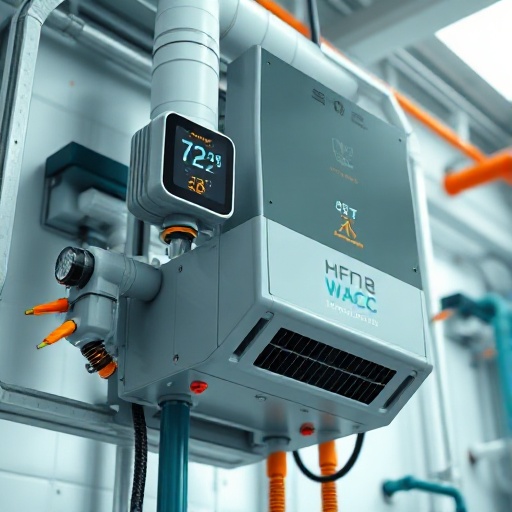
Thermocouples serve as rugged HVAC temperature sensors in demanding environments. They generate voltage proportional to temperature differences between two dissimilar metals. Installers choose Type K or Type T versions for duct and coil applications where rapid response matters. A thermocouple withstands wide temperature ranges and vibration common in air handling units. Maintenance crews rely on their simplicity during troubleshooting of heating and cooling loops. These sensors integrate easily with building automation platforms that log data for trend analysis. When paired with a thermowell, thermocouples survive corrosive airstreams without degradation. Their low cost and broad compatibility make them standard in both new construction and retrofit projects. Operators value the immediate feedback they provide during startup and seasonal changeovers.
Thermistors: Precision and Sensitivity
Thermistors deliver high sensitivity for HVAC temperature sensors that require fine resolution. These semiconductor devices change resistance sharply with small temperature variations. Engineers place negative-temperature-coefficient thermistors in zone controllers and return air paths. Their fast reaction supports tight control bands in variable-air-volume boxes. Calibration establishes accurate curves that building automation systems use for precise setpoint tracking. Thermistors excel in applications where occupancy sensors already adjust airflow, creating dynamic thermal conditions. Technicians replace aging units during preventive maintenance to sustain performance. Because they consume minimal power, thermistors fit battery-backed smart thermostat designs. Their accuracy supports energy modeling that predicts HVAC system behavior under varying loads.
Smart Thermostats: Integration with Building Automation
Smart thermostats elevate HVAC temperature sensors by connecting them to centralized automation networks. These devices aggregate readings from multiple points and execute optimized sequences. Integration allows remote adjustment of setpoints across floors while monitoring energy consumption. A smart thermostat processes inputs from occupancy sensors to reduce conditioning in vacant areas. Building automation platforms use this data to coordinate air handling unit operation with chiller and boiler plants. Technicians program schedules and alarms that respond to sensor drift before comfort issues arise. The combination of wireless communication and cloud analytics improves fault detection. Facility teams gain dashboards that display real-time HVAC temperature sensor values alongside equipment status. This level of connectivity turns isolated sensors into actionable intelligence for whole-building performance.
Optimizing HVAC Performance through Sensor Technology
Calibration Techniques for Accurate Readings
Calibration keeps HVAC temperature sensors trustworthy throughout their service life. Technicians compare sensor output against certified references at multiple points across the expected range. Ice baths and dry-block calibrators establish traceability for field instruments. Regular schedules prevent drift caused by aging elements or contamination. Building automation logs track calibration dates and flag overdue units automatically. Proper procedures include documenting offset values that controllers apply to raw readings. When teams calibrate thermocouples and thermistors consistently, HVAC systems maintain design efficiency. Documentation supports compliance audits and insurance requirements. Accurate calibration directly influences occupant satisfaction and utility budgets by eliminating systematic errors in heating and cooling delivery.
The Impact of Occupancy Sensors on Energy Efficiency
Occupancy sensors transform HVAC operation by supplying real-time presence data to temperature control loops. When combined with HVAC temperature sensors, these devices prevent conditioning of empty zones. Building automation systems reduce airflow and reset setpoints based on occupancy signals. The strategy cuts fan energy and reheat loads during low-traffic periods. Engineers tune time delays to avoid short cycling while preserving comfort upon re-entry. Data from occupancy sensors also informs long-term space utilization studies that guide HVAC system sizing. Facility managers report measurable reductions in peak demand after implementing integrated controls. This approach aligns heating and cooling output with actual needs rather than worst-case assumptions, delivering sustained savings across the building portfolio.
Air Handling Unit Control: Balancing Heating and Cooling
Air handling unit control relies on HVAC temperature sensors to maintain supply air temperature within narrow bands. Mixed-air sensors measure conditions before the cooling coil, while discharge sensors verify performance after heating or cooling stages. Controllers modulate valve positions and face-and-bypass dampers to meet setpoints. When sensors detect deviations, the automation system adjusts economizer operation or resets chilled water temperatures. Balancing heating and cooling prevents simultaneous operation that wastes energy. Technicians verify sensor accuracy during commissioning to ensure stable sequences. Proper integration with building automation enables demand-controlled ventilation that further optimizes performance. The result is consistent zone temperatures and lower operating costs throughout the year.
The Future of HVAC Temperature Sensors
Emerging Technologies in Temperature Monitoring
Emerging technologies expand the capabilities of HVAC temperature sensors beyond traditional wired setups. Wireless mesh networks allow dense sensor deployment without extensive cabling. Edge computing processes local data to reduce latency in control decisions. Some manufacturers embed self-diagnostic features that alert technicians to impending sensor failure. These advances support predictive maintenance programs that minimize downtime. Integration with digital twins lets engineers simulate HVAC system responses before implementing changes. As sensor costs decline, more facilities adopt granular monitoring that improves both comfort and efficiency. The evolution continues as new materials improve stability and reduce calibration frequency.
The Role of NIST Standards in HVAC Calibration
NIST standards provide the foundation for reliable HVAC temperature sensor calibration across the industry. Traceable references ensure measurements align with national benchmarks. Laboratories use NIST-calibrated equipment to certify field instruments deployed in air handling units and data center environments. Compliance with these standards supports quality programs and regulatory requirements. Facility teams reference NIST guidelines when establishing internal calibration intervals. The result is consistent performance data that supports benchmarking between sites. NIST traceability also strengthens claims during energy audits and performance contracts tied to HVAC efficiency.
Integrating Data Centers into Climate Control Solutions
Data centers demand exacting climate control that places heavy demands on HVAC temperature sensors. High-density racks generate concentrated heat loads that require rapid detection and response. Redundant sensor arrays monitor supply air, return air, and rack inlet temperatures simultaneously. Building automation platforms coordinate cooling units to maintain strict tolerances while minimizing power usage effectiveness. Thermowell-protected sensors survive the high-velocity airflow common in these facilities. Calibration routines follow NIST protocols to guarantee accuracy critical for equipment reliability. Occupancy sensors play a smaller role here, yet temperature monitoring remains continuous. Advanced HVAC systems now incorporate liquid cooling interfaces that still rely on precise air temperature data for hybrid designs. This integration protects uptime while controlling operational expenses in mission-critical environments.
See Also
- Enhancing Indoor Air Quality through Effective Temperature Sensor Calibration
- Understanding the Importance of Temperature Sensors in Data Center Efficiency
- The Role of Thermistors and Thermocouples in Optimizing Your HVAC System
- The Future of Building Automation is Here with Innovative HVAC Temperature Sensors