Unlocking the Future of Industry with Remote Motor Monitoring

The Importance of Remote Motor Monitoring in Modern Industry
Understanding Remote Monitoring Technology
Remote motor monitoring technology revolutionizes how industries track and manage electric motors in real-time. Engineers deploy sensors on motors to capture data on voltage fluctuations, temperature rises, and vibration patterns, transmitting this information wirelessly to central dashboards. This setup allows operators to oversee pumps, gearboxes, and other equipment from afar, preventing surprises in plant operations. Unlike traditional on-site checks, remote monitoring integrates seamlessly with motor control systems, enabling instant alerts for anomalies in transformers or bearings. Professionals value this approach because it scales across multiple sites, supporting motor diagnostics without constant physical presence. In essence, remote motor monitoring transforms reactive fixes into proactive strategies, ensuring electrical motors run smoothly even in remote device monitoring scenarios. Industries adopt it to handle complex setups involving VFDs (variable frequency drives) and telemetry, where timely data flow means the difference between peak performance and costly halts. This technology draws from IoT principles, linking sensors like thermocouples directly to cloud platforms for comprehensive motor telemetry analysis.
Key Benefits of Remote Motor Monitoring
Remote motor monitoring delivers clear advantages that boost industrial reliability and cut expenses. First, it enhances motor management by providing continuous oversight of insulation integrity and bearing health, spotting issues before they escalate. Operators gain peace of mind knowing voltage sensors detect irregularities in real-time, averting damage to pumps or gearboxes. Predictive maintenance emerges as a standout benefit, as systems analyze trends to forecast failures, extending the life of electric motors. Downtime shrinks dramatically—studies show reductions up to 50% in plants using these solutions—freeing resources for production rather than repairs. Moreover, remote motor control features allow adjustments to VFD settings without on-site visits, optimizing energy use in transformers and motors. Safety improves too, since technicians avoid hazardous areas during routine checks. For businesses, the ROI shines through lower maintenance costs and higher uptime, making remote monitoring a cornerstone of modern motor monitoring solutions. Integrating condition monitoring with analytics further refines these benefits, turning raw data into actionable insights for sustained operational excellence.
Impact on Operational Efficiency
Remote motor monitoring sharply elevates operational efficiency across industrial sectors by streamlining workflows and minimizing disruptions. Plants equipped with this technology experience smoother motor control, as telemetry feeds enable quick responses to voltage dips or overheating in electrical motors. Efficiency gains stem from reduced manual inspections, allowing teams to focus on strategic tasks instead of constant bearing or insulation checks. In manufacturing, for instance, integrating remote device monitoring with VFDs ensures pumps and gearboxes operate at optimal speeds, conserving energy and resources. Predictive maintenance plays a pivotal role here, identifying potential downtime causes early and preventing chain reactions in production lines. Analytics from motor diagnostics reveal patterns that fine-tune maintenance schedules, boosting overall plant reliability. Companies report faster throughput and fewer unplanned stops, directly translating to higher output. Remote motor management extends this impact to remote motor scenarios, where controlling electric motors from afar maintains consistency without travel overheads. Ultimately, this technology fosters a leaner, more responsive industrial ecosystem, where every motor contributes maximally to efficiency goals.
Core Components of Remote Motor Monitoring Systems
Electrical Motors and Their Role in Industry
Electrical motors power the backbone of modern industry, driving everything from conveyor belts to heavy machinery in plants worldwide. These versatile devices convert electrical energy into mechanical motion, essential for pumps, fans, and compressors that keep operations humming. In remote motor monitoring contexts, electric motors stand out for their vulnerability to wear—factors like voltage instability or overloads can lead to failures if unchecked. Industry relies on them for precision tasks, yet their constant use demands vigilant oversight to maintain reliability. Integrating motors with condition monitoring tools allows real-time tracking of performance metrics, ensuring longevity in demanding environments. Bearings and insulation within these motors often bear the brunt of stress, making proactive motor diagnostics crucial. Remote setups enhance this by linking motors to telemetry networks, facilitating seamless management across distributed sites. As industries evolve, electrical motors evolve too, incorporating smart features for better integration with VFDs and gearboxes, solidifying their indispensable role in efficient, scalable production.
The Functionality of Voltage Sensors and Thermocouples
Voltage sensors and thermocouples form the sensory core of remote motor monitoring systems, delivering precise data to safeguard motor health. Voltage sensors continuously measure electrical input to motors, detecting spikes or drops that signal impending issues in transformers or wiring. These devices alert operators to imbalances that could strain insulation or cause overheating, preventing catastrophic failures in pumps or gearboxes. Thermocouples, on the other hand, excel at temperature monitoring; they embed within motor housings to track heat buildup in bearings and windings, crucial for early detection in high-load scenarios. Together, they enable comprehensive motor telemetry, feeding data to central systems for analysis. In practice, voltage sensors integrate with VFDs to adjust power dynamically, while thermocouples trigger shutdowns if thresholds exceed safe limits. This duo enhances remote motor control by providing granular insights, reducing maintenance needs and downtime. Industries praise their reliability, as these components withstand harsh conditions, ensuring accurate readings that drive predictive maintenance strategies and overall plant efficiency.
Integrating Condition Monitoring with Telemetry
Integrating condition monitoring with telemetry creates a powerful framework for remote motor monitoring, bridging on-site data collection with off-site analysis. Condition monitoring tools, such as vibration analyzers and current sensors, gather vital stats on motors, including wear in bearings and degradation in insulation. Telemetry then transmits this information wirelessly to remote servers, allowing experts to review motor diagnostics without delay. This synergy supports automated motor monitoring, where algorithms process telemetry streams to flag anomalies in voltage or temperature via thermocouples. Plants benefit from this setup by achieving holistic oversight of electrical motors, pumps, and gearboxes across vast networks. Remote device monitoring extends naturally here, enabling centralized control that minimizes human error and travel. VFD integration further amplifies capabilities, as telemetry data informs speed adjustments for optimal performance. Ultimately, this integration transforms raw condition data into strategic assets, enhancing reliability and paving the way for advanced motor management solutions in dynamic industrial landscapes.
Predictive Maintenance and Its Role in Motor Management
Analyzing Data for Predictive Maintenance
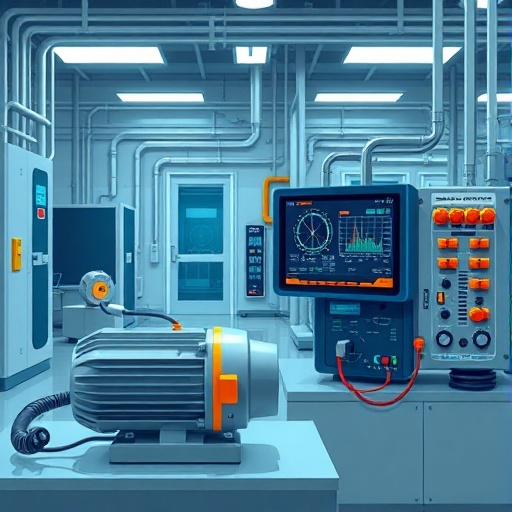
Analyzing data drives predictive maintenance in motor management, turning vast telemetry streams into foresight for electrical motors. Systems collect inputs from voltage sensors, thermocouples, and vibration detectors, then apply analytics to spot trends like gradual insulation breakdown or bearing fatigue. Machine learning models sift through this data, predicting failures weeks in advance and alerting teams via remote motor monitoring platforms. This approach outpaces reactive fixes, as it correlates usage patterns with environmental factors in plants. For instance, unusual voltage patterns might indicate impending issues in transformers or VFDs, allowing preemptive tweaks. Motor diagnostics benefit immensely, with analytics revealing hidden inefficiencies in pumps or gearboxes. Remote motor management thrives on this, as cloud-based tools democratize access to insights for global teams. By prioritizing data-driven decisions, predictive maintenance extends motor life, cuts costs, and ensures seamless operations, making it a game-changer for reliability-focused industries.
Reducing Downtime Through Early Detection
Reducing downtime through early detection stands as a primary win for predictive maintenance in remote motor monitoring. Sensors embedded in motors flag subtle shifts—such as rising temperatures from thermocouples or erratic voltage—before they cascade into full breakdowns. This early warning system empowers technicians to schedule interventions during off-peak hours, keeping production lines active. In plants, where motors drive critical pumps and gearboxes, even brief halts cost thousands; early detection slashes these risks by up to 70%. Condition monitoring integrates with telemetry to push alerts instantly, supporting remote control motor adjustments without on-site rushes. Bearings and insulation receive special attention, as data analytics pinpoint wear patterns unique to each electric motor. VFDs play a supportive role, modulating loads based on incoming diagnostics to prevent overloads. Overall, this strategy fosters a culture of prevention, where motor telemetry ensures minimal disruptions and maximal uptime, directly fueling industrial productivity and cost savings.
The Importance of Insulation and Bearings in Maintenance
Insulation and bearings demand focused attention in motor maintenance, as they directly influence the durability and performance of electrical motors. Insulation protects windings from voltage surges and moisture, preventing short circuits that could sideline entire systems; regular checks via remote motor monitoring reveal degradation early, averting expensive rewinds. Bearings, meanwhile, support smooth rotation in motors, pumps, and gearboxes—friction here leads to vibration and heat, accelerating failure. Thermocouples and vibration sensors track these components relentlessly, feeding data into predictive maintenance algorithms for timely lubrication or replacements. In industrial settings, neglecting them spikes downtime and repair bills, but integrated condition monitoring changes that narrative. Remote motor management allows non-invasive assessments, using telemetry to monitor trends without disassembly. VFDs complement this by reducing mechanical stress on bearings through precise control. Prioritizing these elements ensures reliability, extends service intervals, and safeguards transformers from secondary damage, making them non-negotiable in any robust motor monitoring solution.
Implementing Remote Motor Monitoring Solutions
Choosing the Right Motor Monitoring Solution
Choosing the right motor monitoring solution requires evaluating needs against available technologies to ensure seamless integration into plant operations. Start by assessing motor types—electric motors in pumps or gearboxes may need specific sensors for voltage and temperature via thermocouples. Scalability matters; opt for systems supporting remote device monitoring across multiple sites, with robust telemetry for real-time data. Predictive maintenance features should shine, including analytics for insulation and bearing health to minimize downtime. Compatibility with VFDs and motor control setups is key, as is ease of installation to avoid operational hiccups. Budget for cloud-based platforms that enable remote motor management, offering dashboards for motor diagnostics. User reviews highlight solutions like those from established vendors that balance cost with reliability, providing automated motor monitoring without complexity. Ultimately, the ideal choice aligns with your industry's demands, delivering enhanced reliability and efficiency through tailored remote motor monitoring capabilities.
Integrating VFDs and Gearboxes for Enhanced Control
Integrating VFDs and gearboxes elevates remote motor monitoring by providing finer control over motor performance and load handling. VFDs adjust frequency and voltage to motors dynamically, optimizing speed for pumps or conveyors while sensors track responses in real-time. Gearboxes, often paired with electric motors, transmit power efficiently; monitoring their health through vibration data prevents misalignment issues that strain bearings. This integration uses telemetry to sync data flows, allowing remote motor control adjustments based on condition monitoring inputs. Insulation integrity benefits too, as VFDs mitigate electrical stress. In plants, this setup reduces energy waste and downtime, with analytics forecasting gearbox wear alongside motor diagnostics. Remote motor management platforms centralize these elements, enabling operators to tweak parameters from afar. Successful implementations show up to 30% efficiency gains, making VFD-gearbox-motor synergy a smart move for forward-thinking industries seeking robust reliability.
Case Studies of Successful Implementation
Case studies of successful remote motor monitoring implementation illustrate real-world triumphs in diverse sectors. A major oil refinery deployed sensors on pumps and electrical motors, integrating voltage monitoring with thermocouples to achieve 40% less downtime through predictive maintenance. Analytics revealed bearing failures early, saving millions in repairs. Another example comes from a manufacturing plant, where VFD-integrated systems for gearboxes and motors enabled remote control, cutting maintenance visits by half and boosting reliability. Telemetry dashboards provided motor diagnostics that pinpointed insulation issues, preventing outages during peak production. In wastewater treatment, remote device monitoring of transformers and motors ensured compliance and efficiency, with condition monitoring reducing unplanned halts. These stories highlight common threads: swift ROI from reduced downtime, enhanced motor management via telemetry, and scalable solutions fitting various plant sizes. Lessons include starting small, training staff on analytics, and choosing vendor support—proving remote motor monitoring delivers tangible, transformative results across applications.
The Future of Motor Monitoring in Industrial Applications
Trends in Automated Motor Monitoring
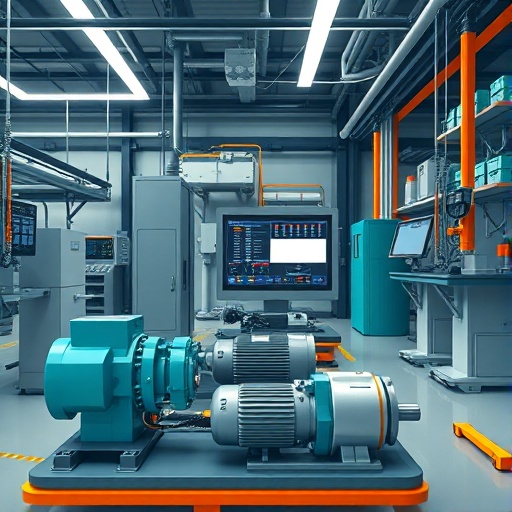
Trends in automated motor monitoring point toward fully autonomous systems that self-diagnose and adjust electrical motors with minimal human input. AI-driven platforms analyze telemetry from voltage sensors and thermocouples in real-time, automating alerts for predictive maintenance on bearings and insulation. Edge computing emerges as a key trend, processing data locally on motors or VFDs to speed responses in remote setups. Industries adopt wireless sensor networks for gearboxes and pumps, enabling seamless remote motor control without cabling hassles. Sustainability drives another shift, with monitoring optimizing energy use in transformers to lower carbon footprints. Motor diagnostics evolve via digital twins—virtual replicas that simulate failures for proactive tweaks. Automated motor monitoring scales effortlessly, supporting Industry 4.0 by linking plants into smart ecosystems. As adoption grows, expect hybrid cloud-edge solutions to dominate, enhancing reliability while slashing costs in dynamic industrial landscapes.
The Role of Analytics in Enhancing Reliability
Analytics plays a transformative role in enhancing reliability through remote motor monitoring, by distilling complex data into reliable decision-making tools. Advanced algorithms process streams from condition monitoring sensors, identifying subtle patterns in voltage, temperature, and vibration that precede motor failures. For electric motors, this means early flagging of insulation wear or bearing imbalances, integrated with VFD data for holistic views. Predictive maintenance thrives on these insights, forecasting downtime and suggesting optimizations for pumps and gearboxes. Remote motor management benefits as analytics enable predictive simulations, testing scenarios without real-world risks. In plants, reliability surges—uptime hits 99% in analytics-equipped setups—thanks to telemetry-fueled dashboards that democratize expertise. Future-facing trends include prescriptive analytics, which not only detect but recommend fixes, like adjusting motor control parameters. By embedding analytics deeply, industries secure robust, failure-resistant operations, turning potential vulnerabilities into strengths.
Exploring Remote Control Motor Technologies
Exploring remote control motor technologies unveils innovative ways to command electrical motors from distances, revolutionizing industrial agility. These advancements build on remote motor monitoring foundations, incorporating haptic feedback and AI for intuitive oversight of pumps, gearboxes, and VFDs. Wireless protocols ensure low-latency commands, vital for precise motor control in remote device scenarios. Thermocouples and voltage sensors feed live data, allowing operators to monitor insulation and bearings while issuing adjustments via apps. Predictive maintenance integrates here, as remote controls preempt issues based on telemetry analytics. In mining or offshore plants, this tech minimizes personnel exposure, enhancing safety alongside reliability. Emerging 5G networks supercharge connectivity, enabling high-fidelity motor diagnostics and telemetry. As remote control motor solutions mature, they promise decentralized operations where motors self-optimize under human guidance, driving efficiency and innovation in tomorrow's industrial frontier.